Physical Address
304 North Cardinal St.
Dorchester Center, MA 02124
Physical Address
304 North Cardinal St.
Dorchester Center, MA 02124

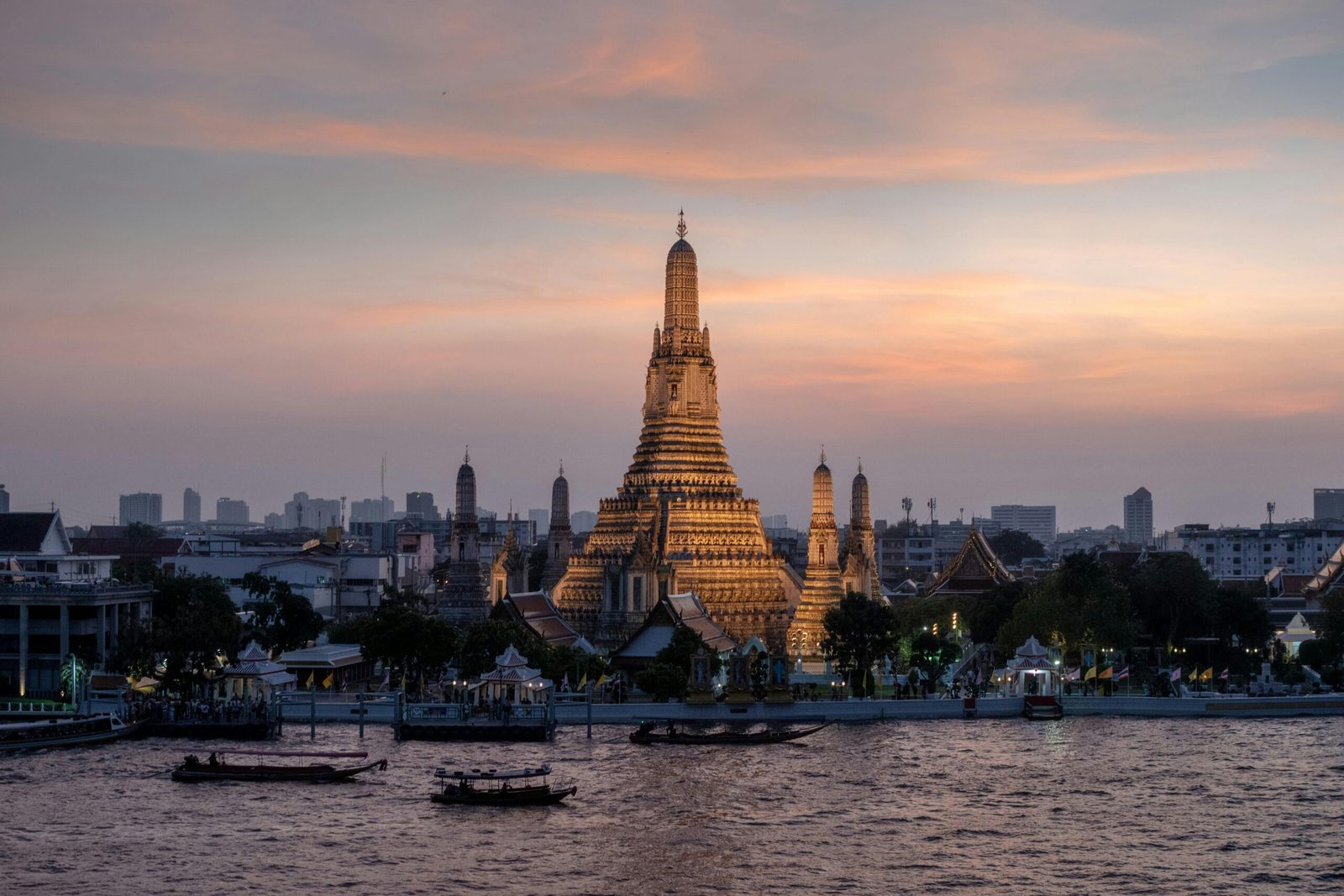
When you think of Thailand travel, you might picture Bangkok’s lively markets, Phuket’s beaches, or Chiang Mai’s temples. But beyond these famous spots lies another side of Thailand — one filled with hidden villages, pristine national parks, and quiet islands untouched by mass tourism.
If you’re ready to explore Thailand off the beaten path, this guide will take you beyond the ordinary and into the heart of the country’s authentic culture and breathtaking nature.
Traveling beyond the tourist trail offers experiences that go far deeper than a checklist of landmarks. You’ll find locals eager to share their stories, unspoiled landscapes, and a pace of life that feels refreshingly genuine.
Here’s why you should go off the beaten path:
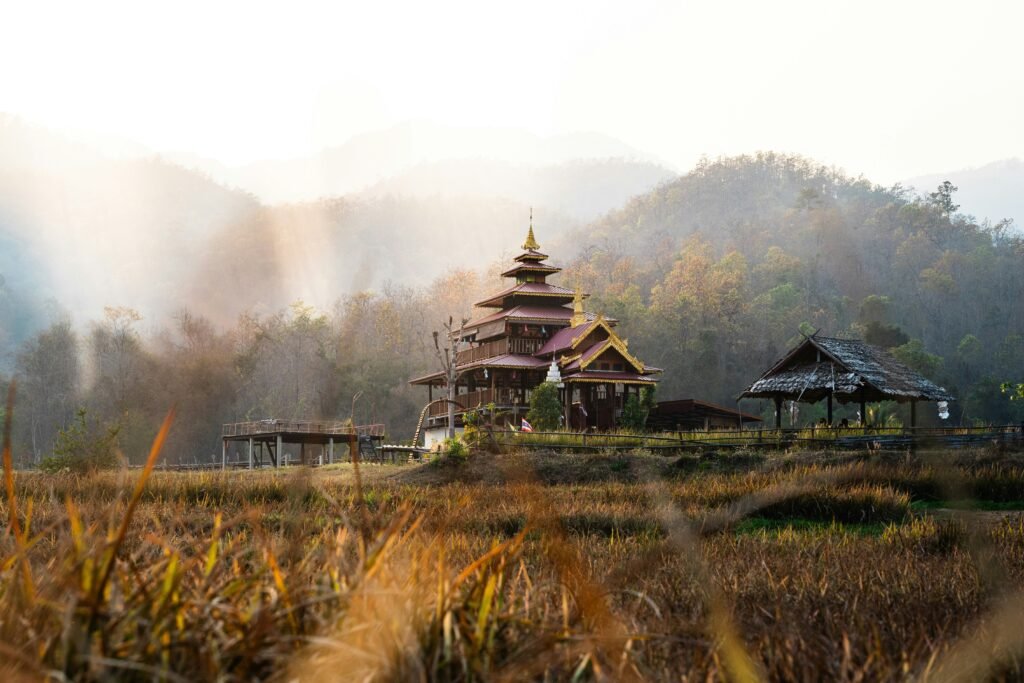
Pai sits in a lush valley surrounded by mountains, rice fields, and winding rivers, giving it a dreamy, laid-back atmosphere that attracts artists, backpackers, and slow travelers. Though it has grown in popularity over the years, it still holds onto its small-town charm, where you’ll see locals selling handmade crafts, farmers tending their land, and travelers lounging in bamboo cafés overlooking rice paddies. The weather in Pai is cooler than much of Thailand, making outdoor activities enjoyable throughout the year.
The town itself is compact and walkable, but its true beauty lies just outside the center. Scenic mountain viewpoints, hot springs, waterfalls, and quiet rural roads make Pai perfect for renting a scooter and exploring at your own pace. Evenings are relaxed—most travelers gather at Pai Walking Street to try Thai food, browse artisan stalls, and listen to live music. If you’re looking for a peaceful atmosphere with friendly vibes and nature as your backdrop, Pai is an ideal place to slow down and stay a while.
What to do in Pai:
Tip: The road from Chiang Mai to Pai has over 700 curves — take motion sickness pills if you’re sensitive.
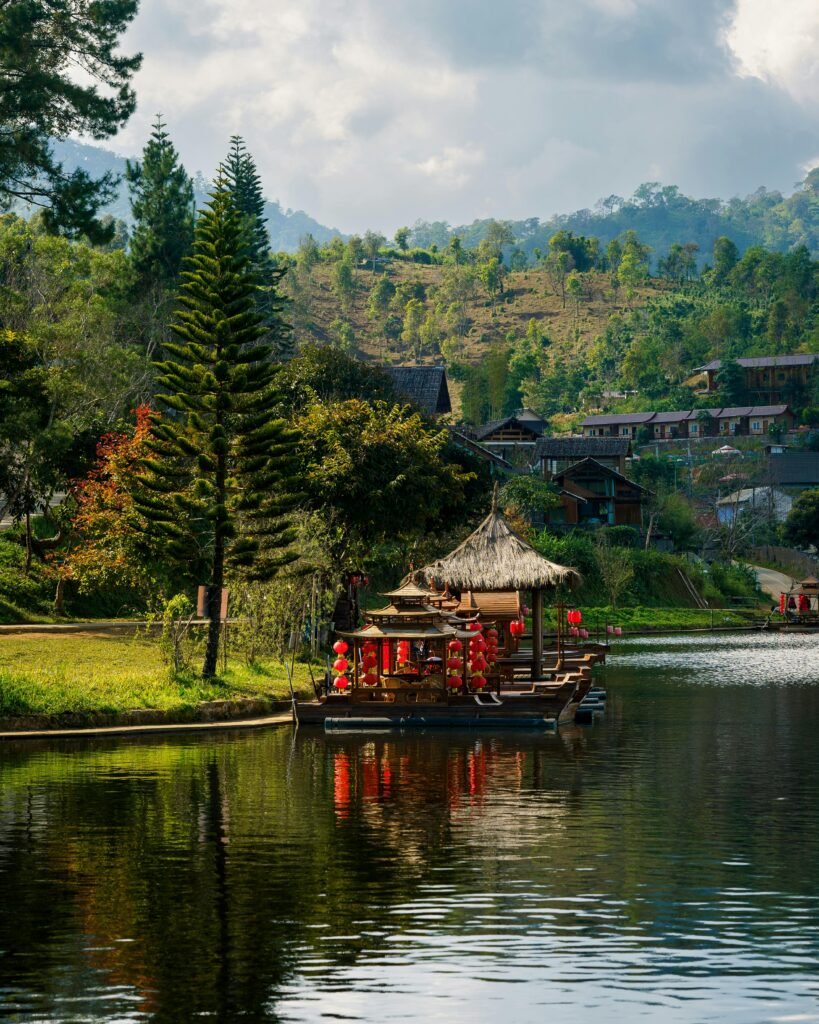
Mae Hong Son is one of Thailand’s most remote and tranquil provinces, bordered by forests and mountains near the Myanmar border. Often covered in morning mist, it feels untouched by modern development, making it a destination for travelers seeking serenity and cultural depth. The region is home to diverse ethnic groups, including Karen, Lisu, and Shan communities, whose unique traditions, textiles, and wooden house architecture reflect centuries of cultural blending.
One of the highlights is Jong Kham Lake, a picturesque lake surrounded by temples and traditional buildings. Visiting at sunrise is magical—the golden light, chanting monks, and misty water create a calm, almost meditative setting. Mae Hong Son is also known for hill tribe trekking, scenic drives, and its peaceful lifestyle. If you want to truly disconnect and experience everyday life in Northern Thailand at its purest, Mae Hong Son offers one of the most authentic experiences in the region.
Highlights:
💡 Travel Tip: Drive the Mae Hong Son Loop — one of the most scenic routes in Southeast Asia.
Nan remains one of Thailand’s best-kept secrets because of its quiet charm, beautiful landscapes, and deep-rooted cultural history. Once an independent kingdom, Nan developed a unique artistic identity that is still reflected in its temples, murals, and traditional music. The city center is calm and walkable, with quiet cafés, small markets, and friendly locals who are always happy to chat.
A must-see highlight is Wat Phumin, famous for its “Whisper of Love” mural—a tender image of a man and woman sharing a secret, which has become a symbol of Nan’s romantic, artistic spirit. Outside the city, scenic roads lead through forests, rice terraces, and wooden villages toward Bo Kluea, where salt has been made in traditional mountain brine wells for centuries. Nan is ideal for travelers who appreciate culture, nature, and slow travel vibes—not crowds.
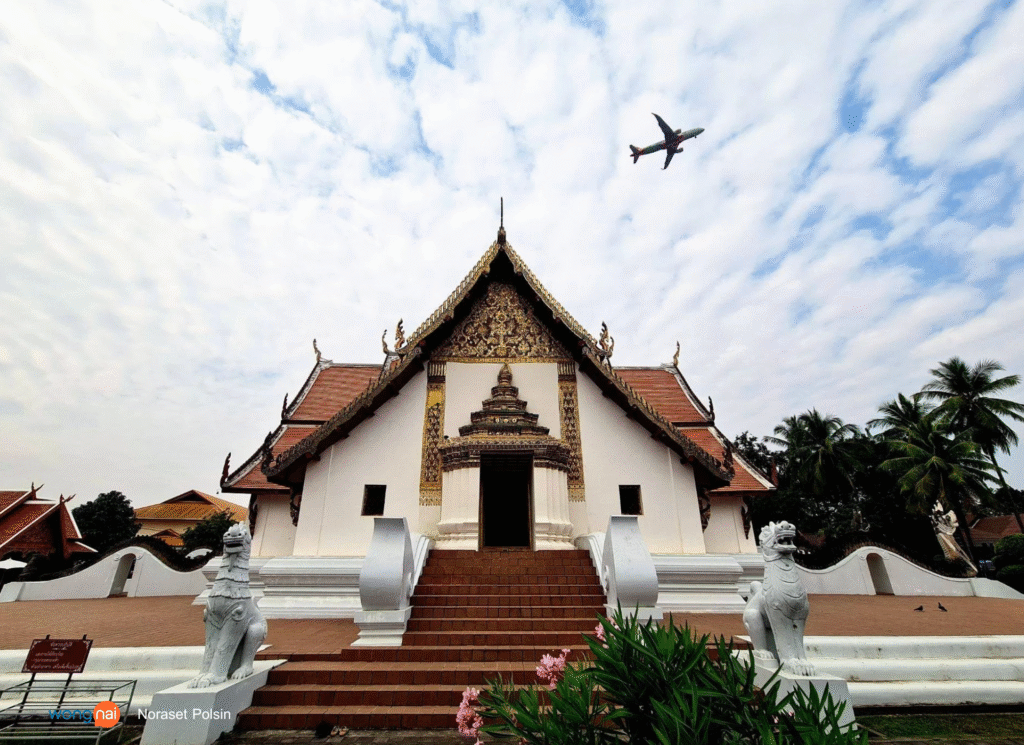
Things to do in Nan:
If you’re looking to travel Thailand like a local, head to Isaan — a region of rice fields, festivals, and fiery cuisine.
Nakhon Phanom is a peaceful town resting along the Mekong River, where Thai and Lao cultures blend seamlessly. You’ll notice similarities in food, music, language, and dress, which makes this area feel culturally rich and deeply local. The pace of life is slow, and evenings along the Mekong River promenade are beautiful—locals gather to exercise, chat, enjoy street food, and watch the sunset over the mountains of Laos just across the river.
The province is also spiritually significant; Wat Phra That Phanom is one of the most important temples in Northeastern Thailand and draws pilgrims from all over the country. Markets here are filled with unique Isaan dishes, including grilled meats, sticky rice, and spicy salads. If you’re seeking a quiet, meaningful, and culturally immersive travel experience, Nakhon Phanom offers something truly special and sincere.
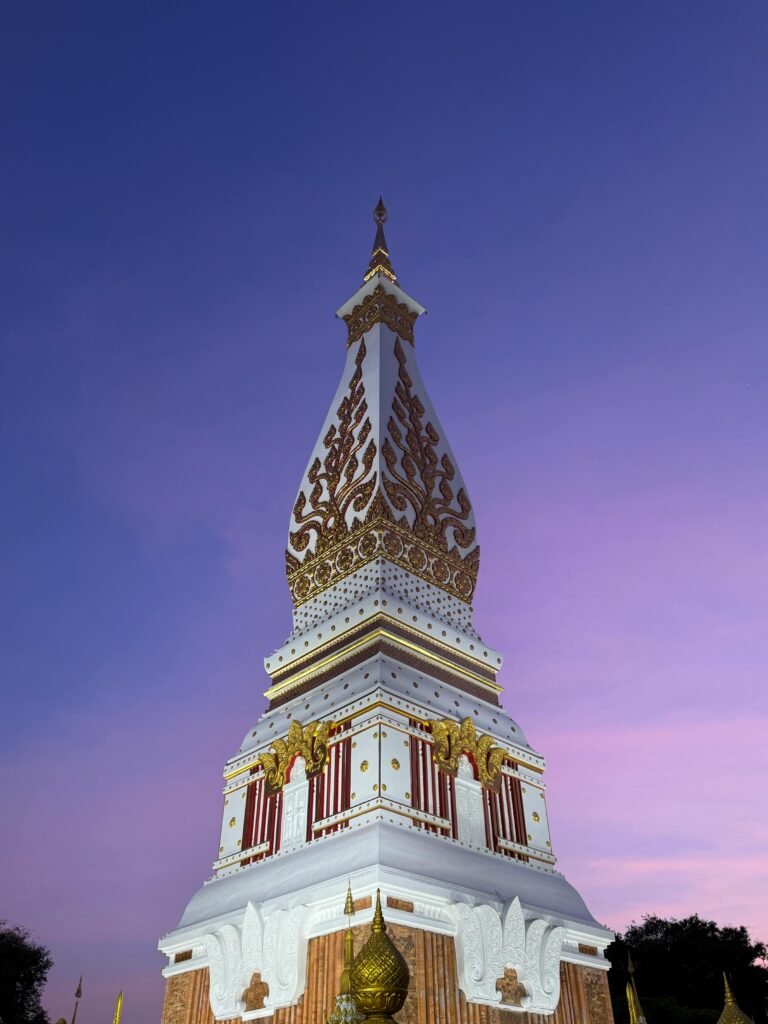
What to see:
🍲 Try this: Som Tam Pla Ra — a fermented papaya salad that’s beloved in Isaan.
Loei is known for its cool climate, mist-covered mountains, and charming small towns, making it feel unlike most parts of Thailand. The landscapes here are dramatic—pine forests, high plateaus, riverside cliffs, and foggy valleys create stunning views year-round. Loei is also home to Phu Kradueng National Park, one of the best hiking destinations in Thailand, where trekkers climb to a large flat mountain top covered in forests, waterfalls, and viewpoints.
The province is full of personality, especially during the Phi Ta Khon Festival in Dan Sai, where locals wear hand-crafted ghost masks in a colorful, playful parade rooted in folklore and storytelling. Another highlight is Chiang Khan, a nostalgic village on the Mekong River with wooden shophouses, bicycle-friendly streets, and riverfront cafés perfect for slow mornings. Loei is ideal for travelers who want cool weather, nature adventures, local traditions, and peaceful riverside living.
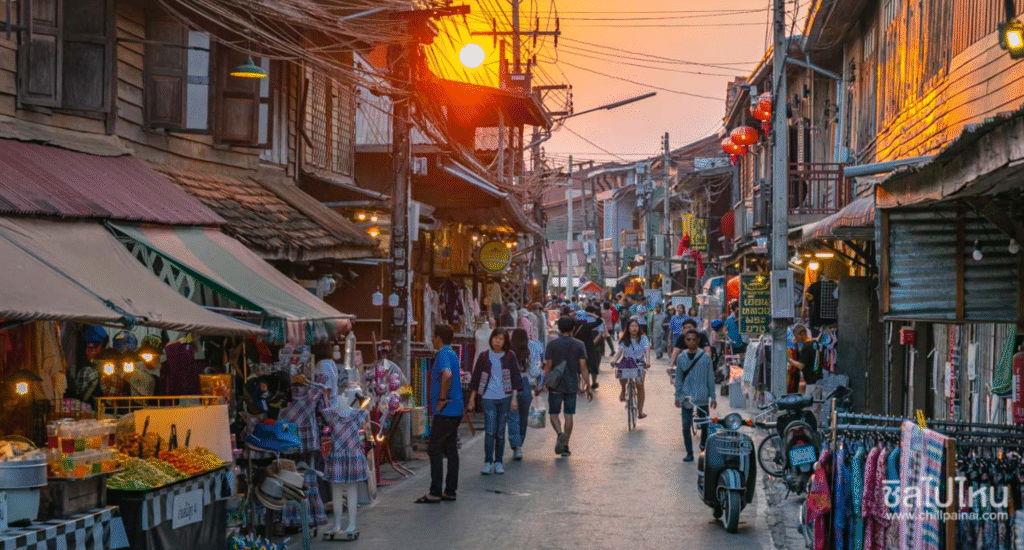
Top things to do:
Common Mistake: Skipping Loei because it’s far — it’s actually one of Thailand’s most rewarding detours.
Samut Songkhram offers a window into Thailand’s river-based lifestyle. Rather than crowded commercial floating markets, the atmosphere here is local, warm, and community-centered. Amphawa Floating Market is best visited in the late afternoon when locals come for freshly cooked Thai food served from wooden boats. As night falls, longtail boat tours offer a chance to see fireflies glowing along the riverside—one of the area’s most magical experiences.
Another unique highlight is the Mae Klong Railway Market, where vendors quickly pull back their umbrellas and goods whenever a train passes directly through the market. This synchronized dance between daily life and railway schedules is both fascinating and symbolic of Thai adaptability. The area is also dotted with homestays along quiet canals, making it a perfect place to unwind, enjoy homemade meals, and experience genuine Thai hospitality.
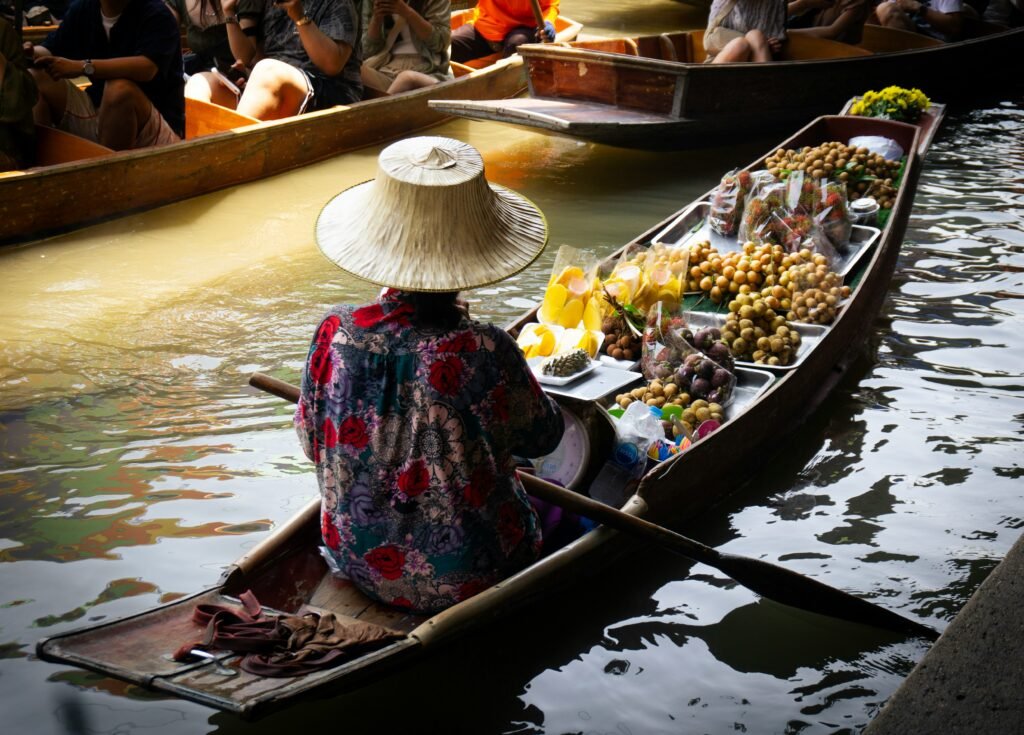
Things to do:
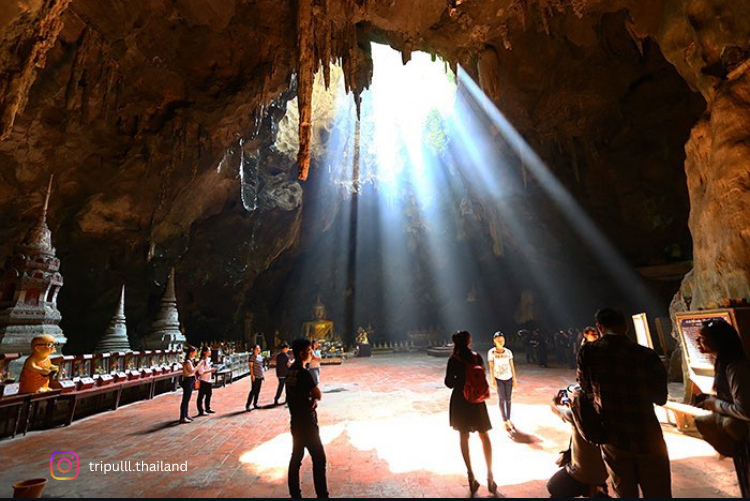
Phetchaburi combines royal heritage, natural wonders, and a long tradition of dessert making. The city’s history stretches back centuries and is visible in its temples, royal palace, and cave shrines. Phra Nakhon Khiri (Khao Wang) rises above the city, offering panoramic views and insight into Thailand’s early royal architecture. Meanwhile, Tham Khao Luang Cave houses dozens of Buddha statues illuminated by natural beams of sunlight filtering through the cave’s opening—an unforgettable sight.
But Phetchaburi is most famous for its desserts. The region uses locally produced palm sugar to create sweets like Khanom Mo Kaeng, a creamy custard that locals often enjoy with tea or coffee. The combination of cultural depth, architectural beauty, and culinary tradition makes Phetchaburi an excellent stop for travelers interested in food and history.
Must-see:
🍮 Food Tip: Try Khanom Mo Kaeng, a sweet custard unique to this region.
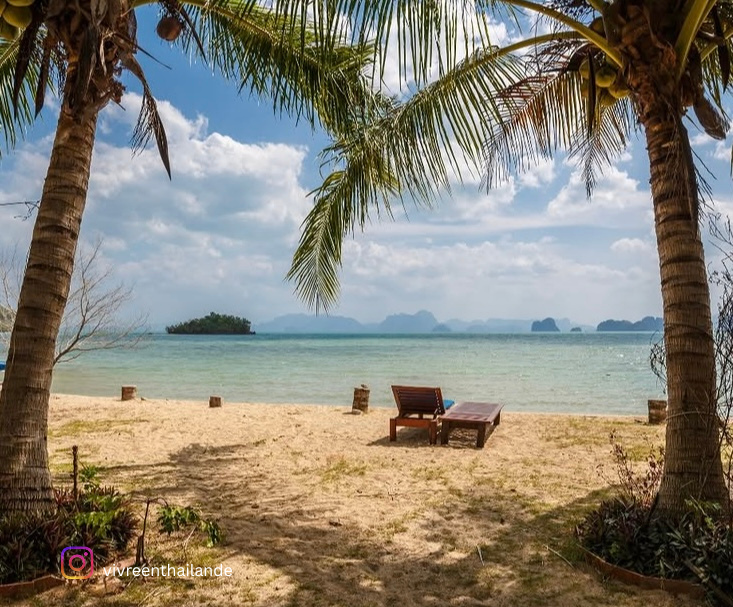
Koh Yao Noi is a peaceful island located between Phuket and Krabi, yet it feels worlds away from the crowds. The island is covered with coconut plantations, rice fields, and small fishing villages, giving it a genuine rural charm. Roads are calm and scenic, perfect for cycling or scooter rides along the coastline. You’ll see water buffalos grazing in fields and local fishermen preparing boats for the day.
The island’s beaches offer stunning views of the limestone cliffs of Phang Nga Bay, and activities like yoga retreats, kayaking, and eco-friendly stays are popular. Koh Yao Noi values sustainability, so much of the development is low-key and respectful of nature. It’s an ideal destination for travelers who want quiet ocean views, fresh seafood, and a slower rhythm of life.
What to do:
Why go: You’ll find peace, authenticity, and luxury eco-resorts — all without the mass tourism.
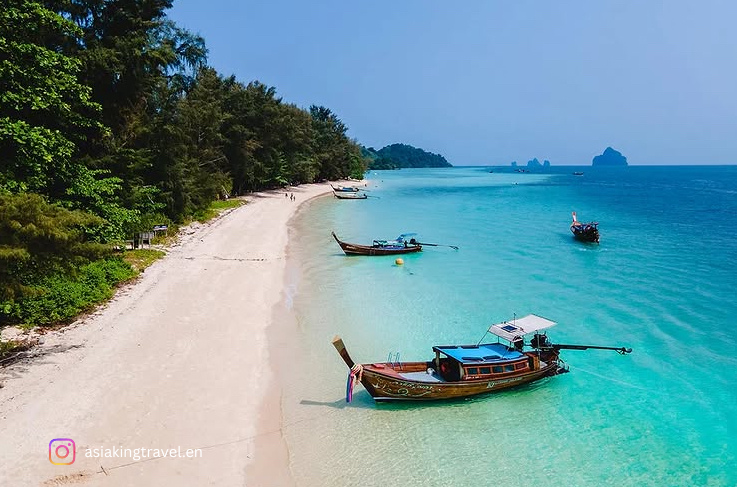
Trang is one of Thailand’s most underrated provinces, offering beautiful islands without the crowds of the southern tourist hotspots. The islands here—such as Koh Kradan, Koh Mook, and Koh Libong—have soft sands, clear turquoise water, and small-scale resorts that focus on conservation and local culture. Emerald Cave on Koh Mook is a highlight: visitors swim through a tunnel to reach a hidden lagoon surrounded by steep rock walls.
Trang’s food culture is distinct, blending Thai, Malay, and Chinese influences. Mornings in Trang often start with dim sum and grilled pork, served fresh in local teahouses—an experience you won’t find in typical tourist destinations. If you’re searching for untouched beaches, warm community culture, and outstanding Thai food, Trang is a quiet paradise waiting to be explored.
Top attractions:
💬 Local Insight: Trang’s breakfast culture — dim sum and grilled pork — is a delicious local tradition.
Exploring offbeat destinations means tasting Thailand’s regional flavors.
| Region | Dish | Description |
|---|---|---|
| North | Khao Soi | Curry noodles with crispy toppings |
| Isaan | Larb Moo | Spicy minced pork salad |
| Central | Pad Kra Pao Moo | Stir-fried basil pork with rice |
| South | Gaeng Som | Sour curry with fish and vegetables |
🍴 Tip: Eat where locals eat — small-town night markets and roadside stalls often serve the best Thai food.
🧭 Pro Tip: For mobile users, add expandable FAQ sections to make key info easy to access while traveling.
Responsible travel supports local livelihoods and protects the environment.
Do this instead:
🌱 Side Note: Supporting small local businesses keeps money in the community and creates authentic connections.
Thailand’s most magical experiences often happen away from the crowds — in quiet temples, family-run guesthouses, and small villages where time seems to slow down.
If you want to experience Thailand in its most authentic form, go beyond the guidebooks. Whether you’re hiking in Nan, island-hopping in Trang, or sampling local Thai food in Isaan, the real beauty of Thailand is found off the beaten path.