Physical Address
304 North Cardinal St.
Dorchester Center, MA 02124
Physical Address
304 North Cardinal St.
Dorchester Center, MA 02124

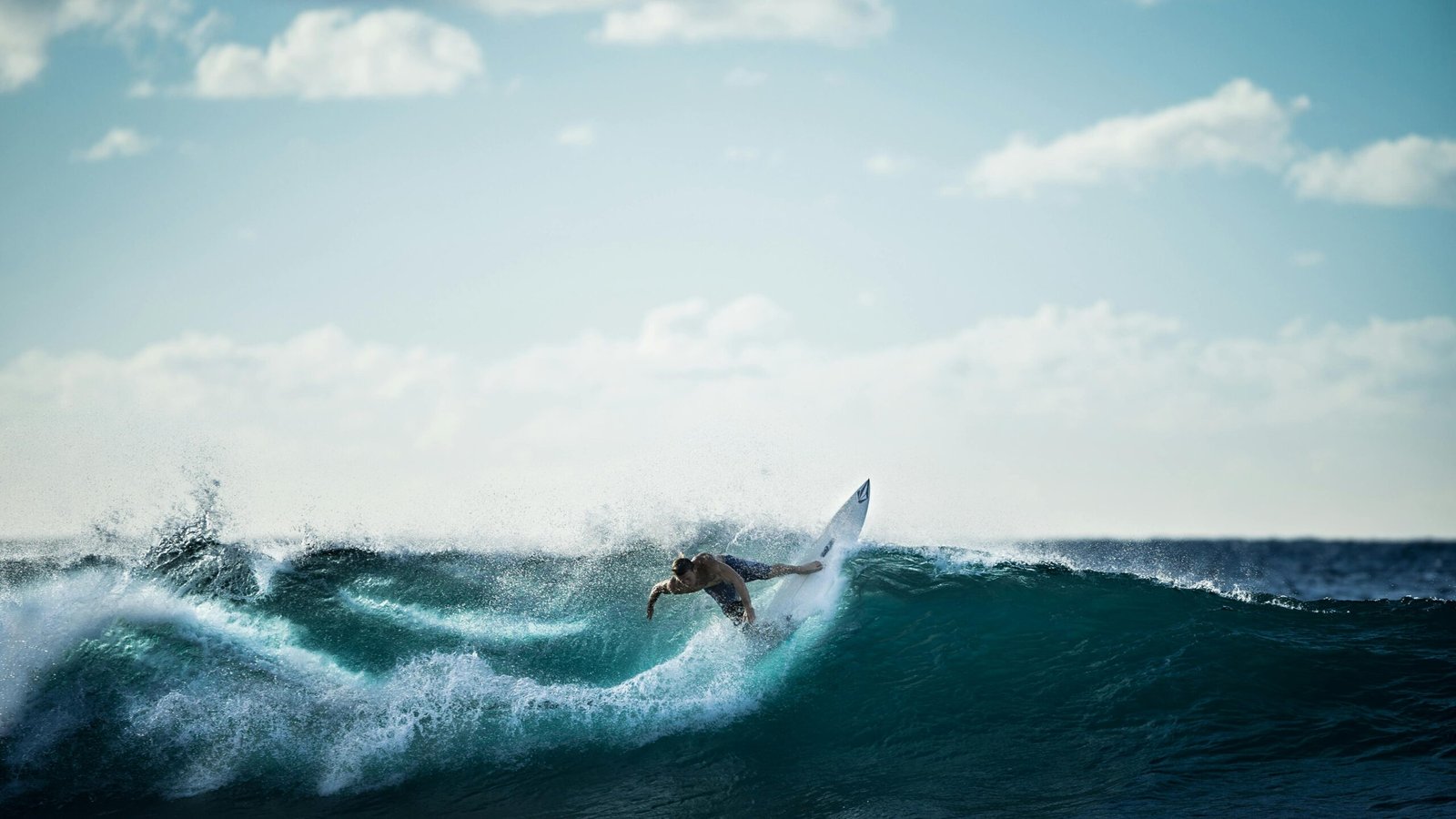
Surfing in Thailand has grown from a niche hobby into a defining part of coastal culture along the Andaman Sea and the Gulf of Thailand. While the country is better known for turquoise lagoons, coral diving, mountain temples, and island-hopping culture, Thailand has a surprisingly strong seasonal surf scene that continues to expand each year.
This guide provides a full breakdown of the best surfing in Thailand, including where to go, when the waves are strongest, how to choose the right beaches based on your skill level, and essential travel tips that will help you plan a smooth and enjoyable surf trip.
Whether you have surfed in Bali, Sri Lanka, Portugal—or you’re stepping on a board for the first time—Thailand offers a warm, approachable, and scenic environment to build confidence and enjoy the oc
Surfing in Thailand is not defined by extreme power waves or world-famous big breaks. You won’t find towering barrels like those in Hawaii or the Mentawai Islands, and that’s exactly what makes surfing in Thailand appealing to many travelers. Instead of intimidating swells or competitive lineups, Thailand offers warm, approachable conditions and a surf culture that encourages learning, confidence-building, and simple enjoyment of the ocean.
Where some surf destinations attract surfers who chase heavy, performance-driven waves, Thailand tends to welcome those who value relaxed progression, beautiful scenery, and the freedom to improve at their own pace. The surf here is tied to seasonal monsoon patterns, creating windows of consistent but manageable waves, particularly suited to beginners and intermediate riders.
If your goal is to enjoy the ocean, develop technique at a comfortable pace, and experience a tropical surf environment that supports learning rather than competition, then surfing in Thailand is an excellent fit. The country offers balance: the freedom to progress in the waves and the space to appreciate the cultural richness, hospitality, and natural scenery that make Thailand a beloved travel destination.
Surfing in Thailand is closely shaped by the country’s two coastlines and seasonal monsoon patterns. The Andaman Sea coast and the Gulf of Thailand experience different weather systems throughout the year, which affects wave consistency, swell direction, and beach conditions. Therefore, knowing when and where to go makes a big difference in finding the best surfing in Thailand. Travelers who plan based on surf season will enjoy cleaner waves, safer conditions, and more reliable surf sessions.
| Region | Coast | Peak Surf Season | Conditions | Notes |
|---|---|---|---|---|
| Phuket, Khao Lak, Phang Nga, Krabi | Andaman Sea (West Coast) | May to October | Consistent larger waves | Great for progression; monsoon weather varies |
| Koh Samui, Koh Phangan, Koh Tao | Gulf of Thailand (East Coast) | November to February | Smaller, wind-driven waves | Calm, beginner-friendly, depends more on wind direction |
If your travel dates are fixed, focus on choosing your destination based on the surf season. This way, you’ll enjoy better waves and safer conditions. Key points to consider:
By planning this way, you avoid flat or stormy days and make the most of your surfing holiday in Thailand.
Thailand offers a variety of surf spots for all levels. Below, we explore each top region, detailing beach type, wave conditions, ideal season, and who will enjoy it most—whether you’re a beginner, intermediate, or just seeking a relaxed, scenic surfing experience. This guide helps plan your trip efficiently and ensures you pick the right spot for your skills and travel style.
Phuket is the center of surf culture in Thailand. It has the most established surf communities, board shops, surf schools, beach clubs, and accommodation options for surf travelers. Conditions vary by beach, making Phuket suitable for complete beginners and more experienced surfers alike.
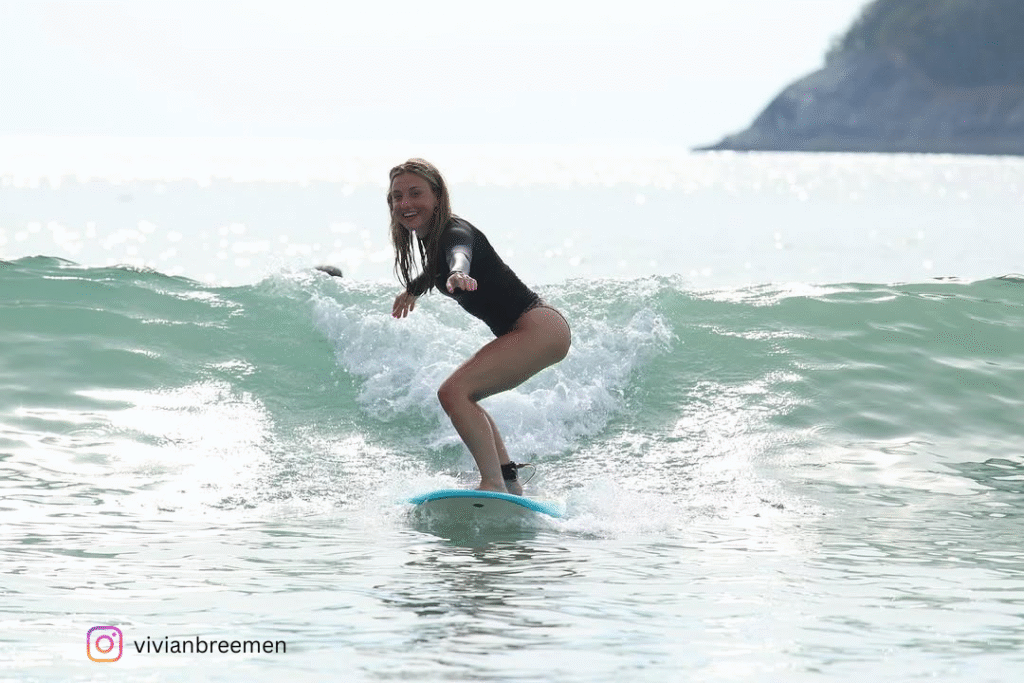
Kata Beach is widely known as the entry point for surfing in Thailand. Soft rolling waves during the monsoon season make it ideal for learning. Numerous surf schools provide structured lessons, and the atmosphere is welcoming for newcomers.
Expect gentle paddle-outs and plenty of other learners in the water. If your goal is to stand up consistently, Kata Beach is the place.
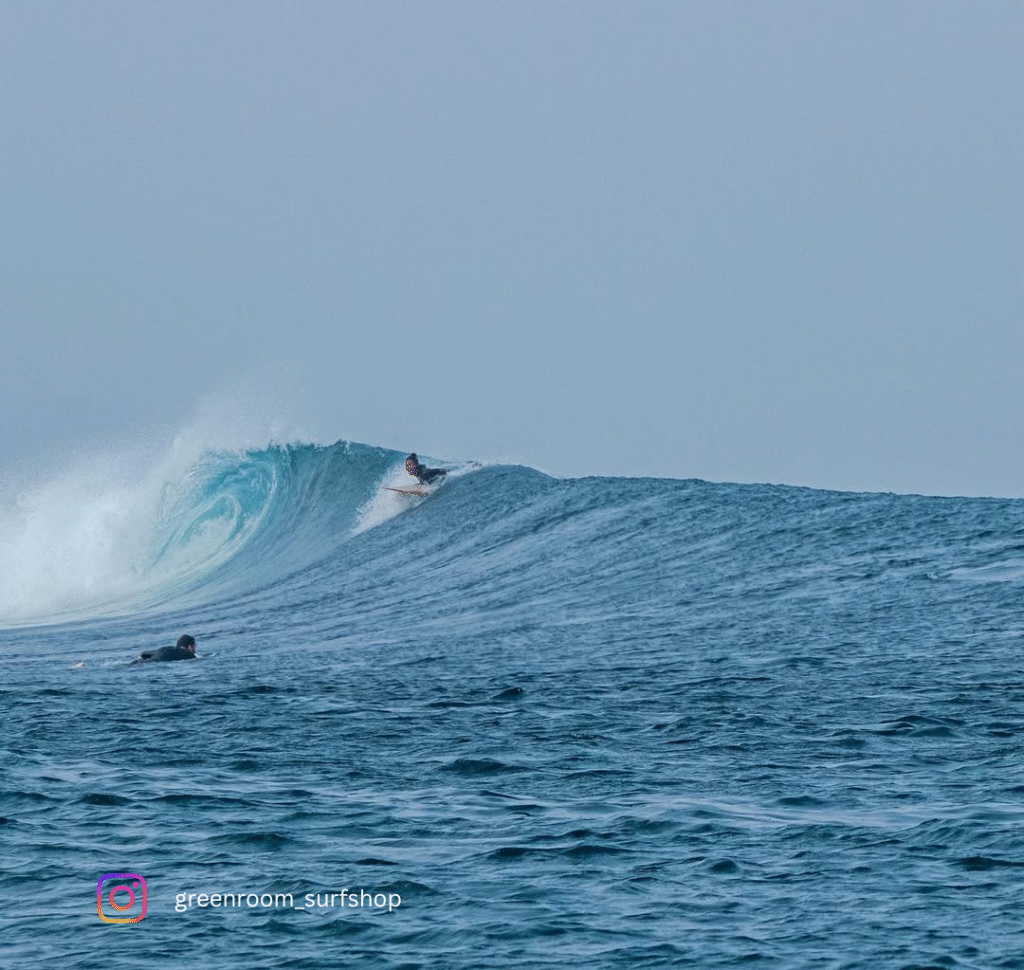
Karon is less crowded and offers a bit more power than Kata. It rewards surfers who are building paddling technique and confidence in positioning.
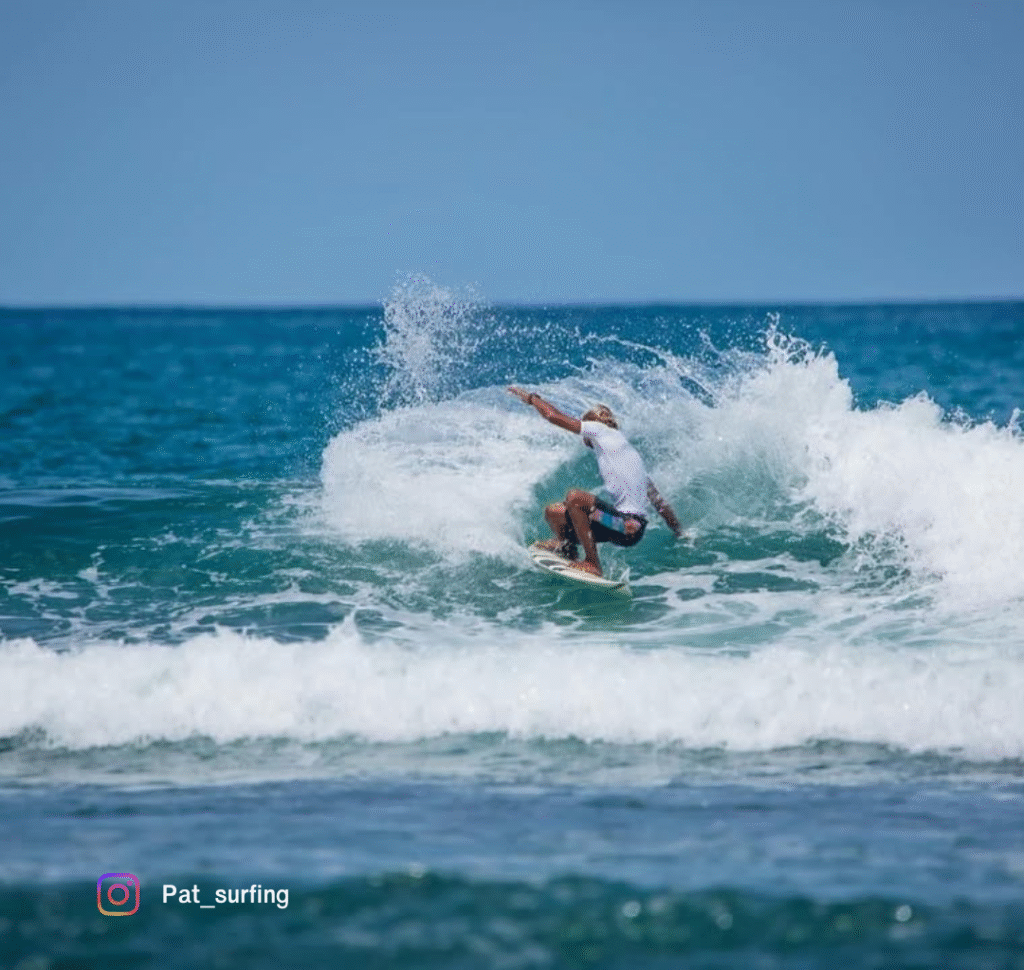
Kalim is one of Phuket’s more technical waves, attracting experienced surfers looking for shape, depth, and challenge. This spot is best for surfers who understand lineup etiquette and reef safety.
Khao Lak, located just north of Phuket, features long stretches of sandy coastline and mellow wave conditions. It’s ideal for surfers who want space in the water, relaxed travel, and a close connection to nature. This region is calm, slow-paced, and far less crowded than Phuket.
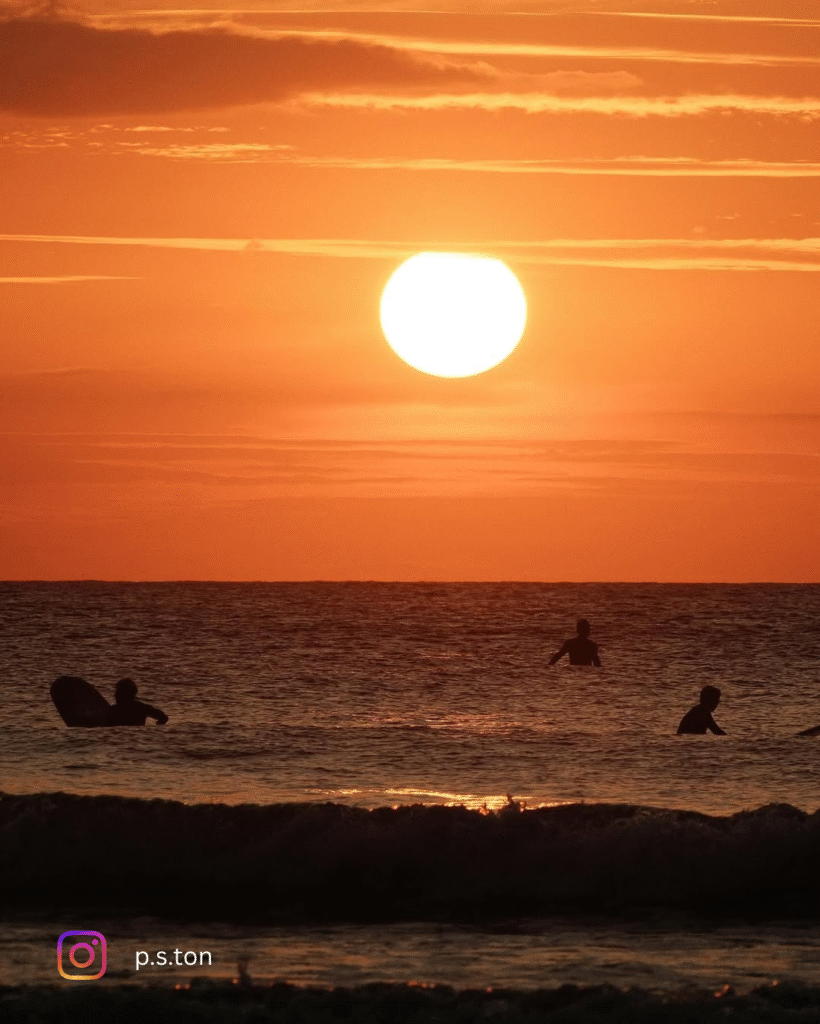
Where to Surf in Khao Lak:
One of the most beginner-friendly spots in the area is Bang Sak Beach, known for its gentle rolling waves and peaceful atmosphere.
Bang Sak Beach
Bang Sak Beach is ideal for practicing fundamentals without the pressure of heavy crowds. Surf schools here tend to be small and personal, offering patient guidance and a friendly learning environment. Many surfers also pair their time in Khao Lak with exploring national parks, waterfalls, and the nearby Similan Islands, which offer some of the best diving in Thailand.
Phang Nga borders Phuket but offers a quieter, more natural atmosphere with far fewer tourists. The coastline is wide and largely untouched, creating a relaxed environment perfect for slow travel and peaceful surf sessions. The surf culture here feels local and community-driven rather than commercial, making it a great choice for surfers who value space, nature, and a more authentic seaside experience.
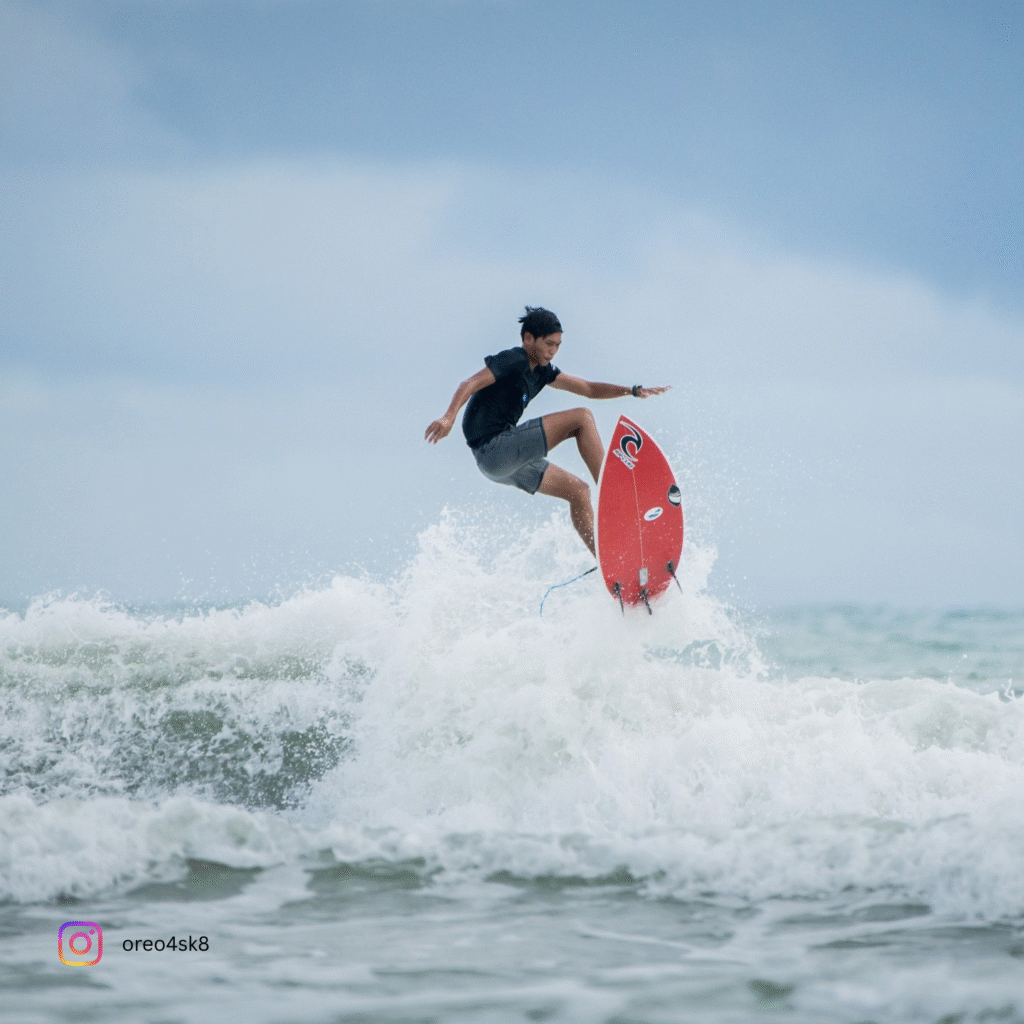
Memories Beach is one of the most welcoming and easygoing surf communities in the country. This is an excellent place to stay long-term, learn at your own pace, and connect with other travelers and locals who surf daily.
Koh Samui has smaller, softer waves, making it ideal for complete beginners or travelers who want a relaxed introduction to surfing. The conditions here are gentle and forgiving, so there’s less pressure and more room to play and learn. It’s a great place to try surfing casually, take a short lesson, or simply enjoy time in the water without needing prior experience.

Koh Samui works best when the weather aligns; flat days are common.
Surfing in Thailand is especially welcoming for beginners thanks to the number of friendly, locally-run surf schools along the coast. Most offer board rentals, group or private lessons, and beginner-friendly coaching focused on safety and confidence. Prices are generally affordable compared to many international surf destinations, making it an easy place to start or continue your surf journey.
Below are reputable surf schools by region, along with links to explore lesson options and rental details.
Kata Beach is one of the most popular places for beginner surfing in Thailand, and the area has several well-established surf schools.
Phuket Surfing School – Kata Beach
Kata Beach is one of Phuket’s most popular spots for beginner surfers. Phuket Surfing School offers structured lessons for all levels, board rentals, and friendly instructors. It’s ideal for travelers who want easy beach access and a calm, supportive learning environment.
Koho Surf School – Karon Beach
Karon Beach provides a quieter and more relaxed surf environment. Koho Surf School caters to beginners and intermediate surfers, with both group and private lessons. The soft, rolling waves make it perfect for practicing fundamentals without pressure.
Kalim Reef Surfers School – Kalim Beach
Kalim Reef is slightly more advanced due to its reef break, offering longer rides and a different challenge. Kalim Reef Surfers School focuses on developing technique for surfers who already have some experience, while still providing guidance for cautious learners. The atmosphere is more local and community-driven.
Khao Lak is quieter and more nature-focused, making lessons feel relaxed and personal.
Phang Nga has a local surf scene with fewer crowds — ideal for people who want a relaxed and authentic experience.
Koh Samui (Soft Waves for Beginners)
Surfing here is seasonal and mellow, perfect for first-timers.
• • Samui Surf School (Lamai Beach)
Offers beginner-friendly lessons, stable foam boards, and patient instructors.
| Service | Price Range |
|---|---|
| Group Lesson (1.5–2 hours) | $20–$40 USD |
| Private Lesson | $35–$80 USD |
| Surfboard Rental | $5–$10 USD per hour |
Most lessons include:
| Skill Level | Recommended Beaches | Notes |
|---|---|---|
| Beginner | Kata, Bang Sak, Chaweng, Haad Rin | Gentle waves, shallow entry |
| Intermediate | Karon, Haad Yao, Lamai | More power and shape |
| Advanced | Kalim Reef, remote Phang Nga spots | Knowledge of reef navigation required |
Thailand’s surf culture is friendly, but respect keeps the environment positive.
Surfing is not just a sport here—it’s a community.
Surfing in Thailand offers warm ocean waves, approachable conditions, and a welcoming surf culture that makes it ideal for both new and developing surfers. Whether you choose the vibrant surf scene of Phuket, the quiet nature-focused coastline of Khao Lak, or the seasonal surf of Koh Phangan and Koh Samui, you’ll find beaches suited to your skill level and travel style. If your goal is to enjoy the ocean, build confidence, and travel Thailand with ease, the country’s surf beaches are ready to welcome you.