Physical Address
304 North Cardinal St.
Dorchester Center, MA 02124
Physical Address
304 North Cardinal St.
Dorchester Center, MA 02124

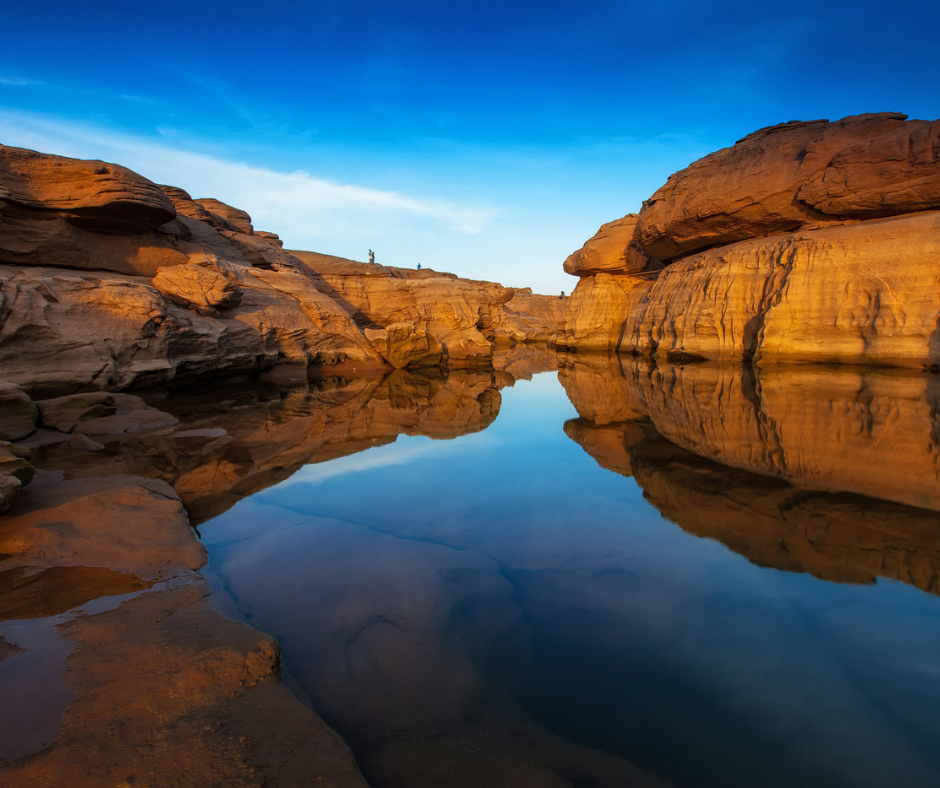
Research on tourism diversification in Southeast Asia consistently highlights Thailand as a country with substantial regional variation in culture, ecology, and heritage. Travelers often ask about unique places to visit in Thailand beyond well-known destinations such as Bangkok, Phuket, and Chiang Mai, indicating a growing interest in alternative tourism and regional studies. This article provides an academically grounded overview of regions and sites that illustrate the country’s geographic diversity, sociocultural complexity, and environmental significance.
Throughout this analysis, several destinations are framed as hidden gems in Thailand or locations that represent off the beaten path Thailand travel patterns. These terms align with emerging tourism scholarship that examines how visitors seek lesser-known sites for cultural authenticity and environmental distinctiveness. Readers interested in ecological landscapes and protected areas may also refer to the related article Best Nature in Thailand: Top National Parks and Hidden Gems, which provides complementary information.
Studies in Thai regional geography emphasize substantial north–south and east–west contrasts in language, foodways, topography, and ritual practices. Identifying unique places to visit in Thailand therefore requires considering regions beyond global tourism centers. These include the Lower North, Isaan, the Deep South, and the Gulf and Andaman peripheries.
The following sections highlight representative destinations supported by historical, anthropological, and environmental literature.
Although Chiang Mai dominates northern tourism, the broader highland region contains communities and natural landscapes that differ markedly from mainstream tourism zones.
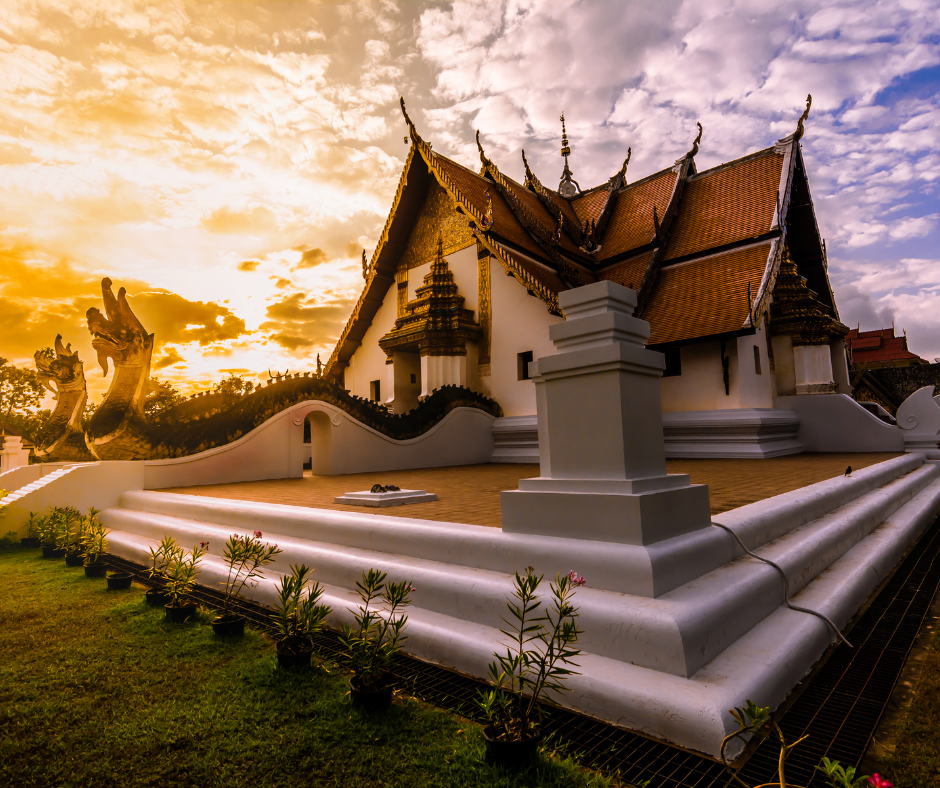
Nan, historically an autonomous kingdom, features temples, murals, and architectural forms not found elsewhere in Northern Thailand. Research on Tai Lue cultural heritage highlights Nan’s preservation of temple murals such as those at Wat Phumin, which depict social life, regional attire, and cosmological motifs. Nan National Museum provides documented evidence of local governance traditions and cross-border histories with Laos.
Nan’s relative isolation supports its classification among unique places to visit in Thailand, especially for travelers investigating regional identity formation.
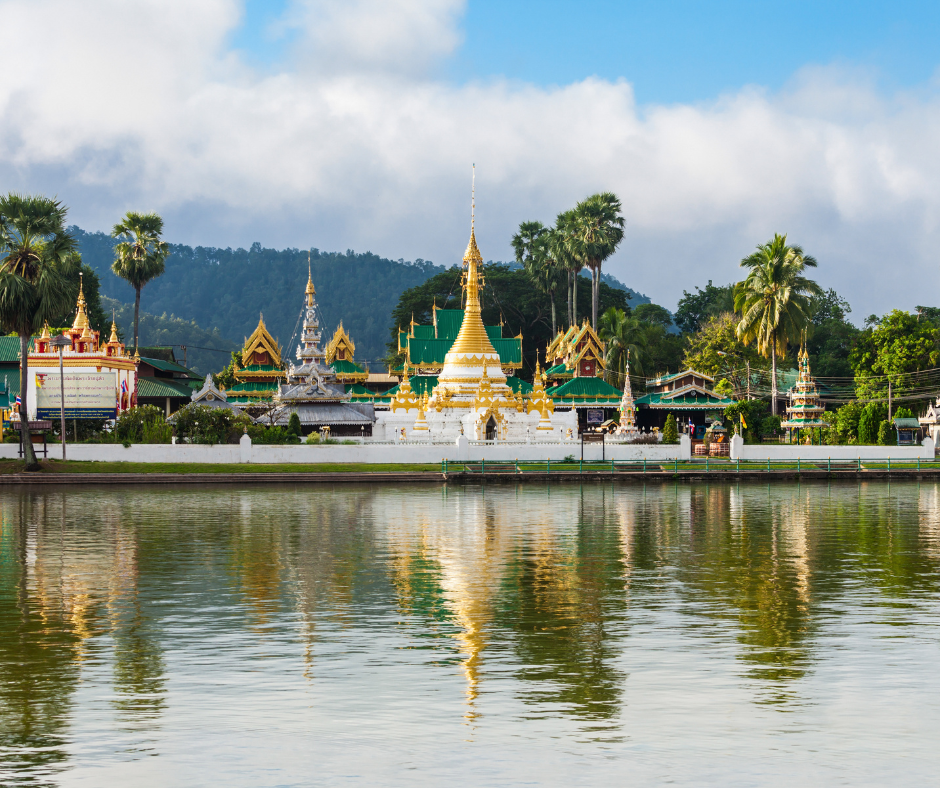
Mae Hong Son Province has long been studied in ethnographic literature for its diverse highland communities, including Shan, Karen, Hmong, and Lisu populations. The geography includes limestone mountains, closed-canopy forests, and endemic species.
The town’s architectural style reflects Shan-Burmese influence, seen clearly in Wat Chong Kham and Wat Chong Klang. The surrounding landscape, including the Pai and Pang Mapha districts, represents hidden gems in Thailand for environmental and sociocultural research.
Isaan is often absent from mainstream tourism narratives despite its distinct linguistic profile, archaeological significance, and agroecological landscapes. Scholars frequently describe Isaan as an important site for understanding Tai-Khmer interactions and early state formation in Mainland Southeast Asia.
Ubon Ratchathani contains a concentration of forest monasteries associated with the Thai Forest Tradition of Theravada Buddhism. These sites appear frequently in anthropological studies of monastic discipline and meditative practice.
Nearby Pha Taem National Park preserves prehistoric rock art dating back approximately 3,000 years, documenting early riverine societies along the Mekong.
These factors make Ubon Ratchathani a strong example of unique places to visit in Thailand due to its combination of archaeology, Buddhist scholarship, and natural landscapes.
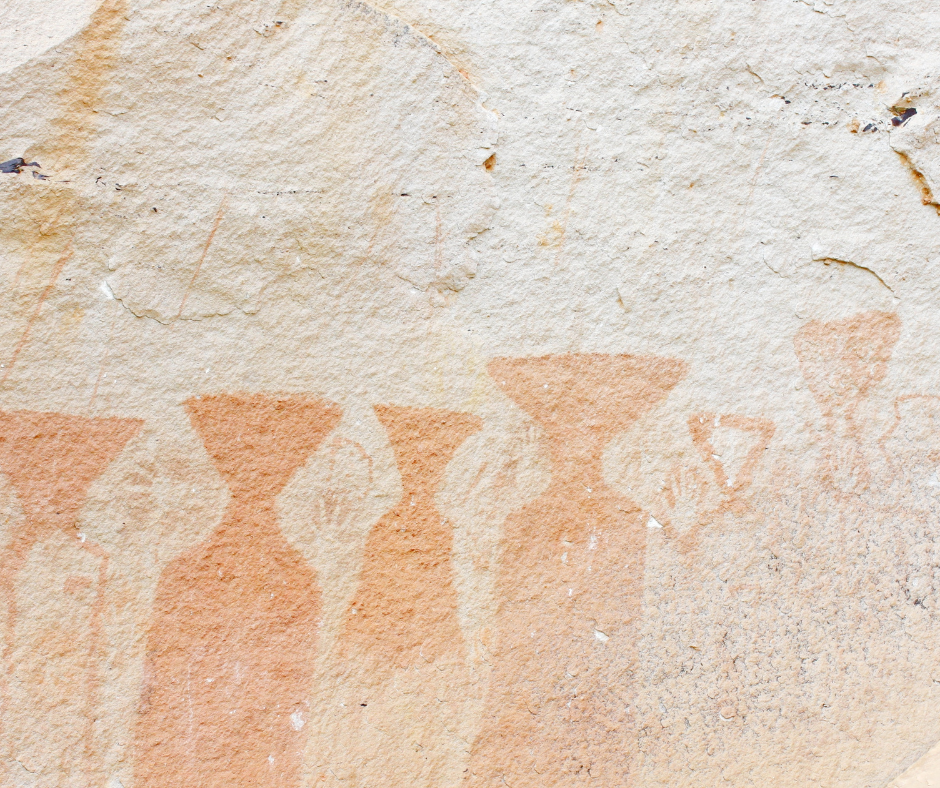
Loei’s topography includes high-altitude plateaus, cool-season microclimates, and protected areas such as Phu Kradueng and Phu Ruea. Cultural anthropology research highlights the Phi Ta Khon Festival in Dan Sai District, known for its masks, processions, and syncretic ritual meanings.
The region’s ecological and ritual diversity establishes Loei as an example of off the beaten path Thailand tourism grounded in cultural heritage and landscape variation.

Beyond the globally marketed resorts of Phuket, southern Thailand contains numerous coastal and island ecosystems shaped by monsoon patterns, marine ecology, and local fishing traditions.
Trang has been cited in environmental science research for its seagrass ecosystems and dugong conservation efforts. Its offshore islands, such as Koh Muk and Koh Kradan, contain karst formations, emerald lagoons, and coral systems.
Trang’s foodways—particularly the local dim sum culture—reflect centuries of maritime exchange. As a less-commercialized Andaman province, it remains one of the hidden gems in Thailand for ecological and cultural study.
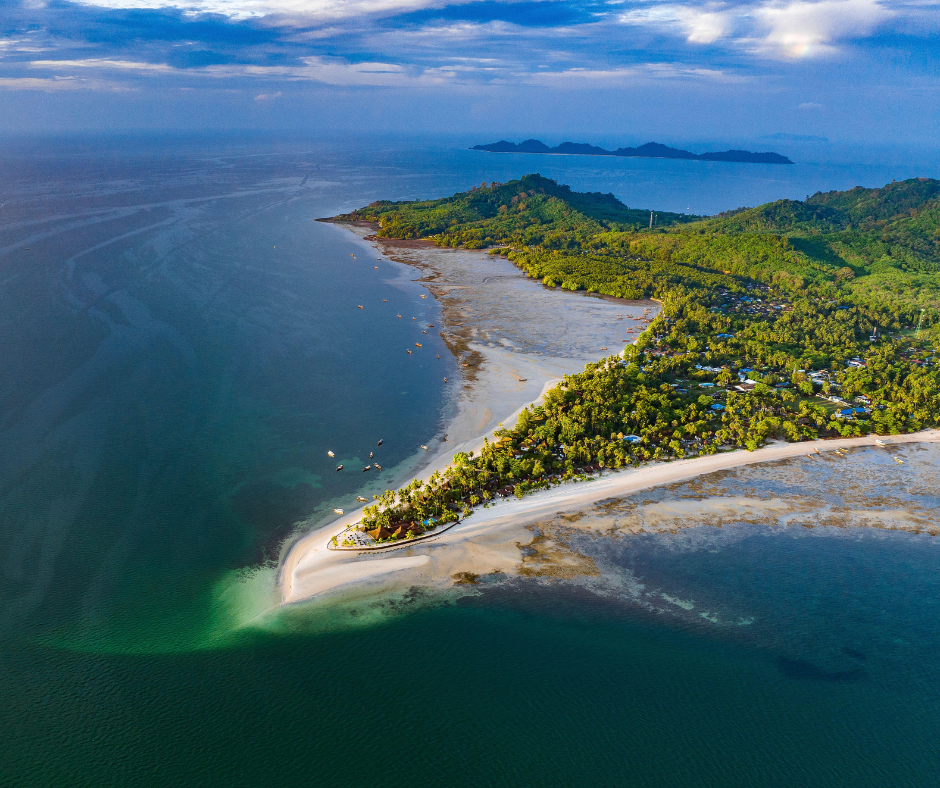
Marine biology studies identify Chumphon as part of the Chumphon Archipelago region, known for coral diversity and migratory pathways of various pelagic species. The province’s long coastline, quiet beaches, and traditional fishing communities distinguish it from higher-density tourism zones.
Its relative underdevelopment positions Chumphon among the unique places to visit in Thailand for visitors examining coastal ecosystems.
The Deep South is among the most culturally distinct areas of the country. Research on border studies, Islamic heritage, and Malay-Thai cultural exchange highlights its unique sociocultural morphology.
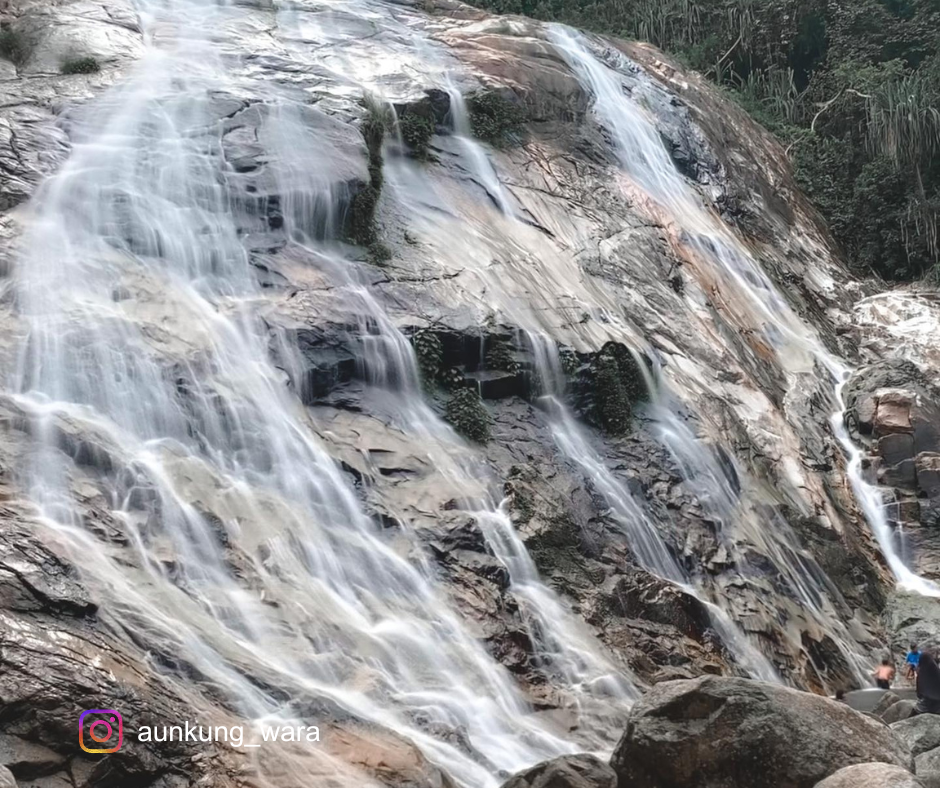
Narathiwat contains the Budo–Su-ngai Padi mountain range, an area frequently referenced in ecological research due to its tropical forest composition and diverse bird populations. The region includes protected sites such as Budo–Su-ngai Padi National Park, which is documented for its rainforest ecosystems and waterfalls; further details on the park’s natural features are available through the official resource provided by the Tourism Authority of Thailand
The province’s mosques, traditional fishing villages, and artisanal crafts reflect Patani Malay heritage, a subject of ongoing anthropological and cultural scholarship.
Its cultural landscape positions Narathiwat as an academically significant example of unique places to visit in Thailand, particularly for researchers examining identity formation and borderland cultural dynamics.
Satun UNESCO Global Geopark is recognized for its Paleozoic rock formations, marine caves, and limestone karst systems. Geological research highlights the region’s fossils and stratigraphy as evidence of ancient marine environments.
Satun also features small island communities engaged in artisanal fishing practices. Due to its low population density and geological importance, Satun represents one of the most scientifically significant off the beaten path Thailand destinations.
Some locations have recently gained attention in geography and conservation studies, making them notable additions to a list of unique places to visit in Thailand.
Phatthalung has become a focal point for research on wetland ecology, particularly the Thale Noi Waterfowl Reserve. The region’s reed wetlands, lotus fields, and migratory bird species contribute to its ecological importance.
Culturally, the province is known for shadow-puppet theater (Nang Talung), an art form documented in regional performance studies.
Nakhon Phanom’s riverbank settlements reflect interactions between Thai, Lao, and Vietnamese communities. Architecture, textiles, and ritual practices provide insight into cross-border cultural flows. The province’s Mekong landscape has been referenced in hydrology and river ecology research.
Nakhon Phanom’s cultural and ecological dynamics support its classification among unique places to visit in Thailand for visitors who prioritize historical and geographic diversity.
The sites described above illustrate Thailand’s regional variation beyond its most visited urban centers. In tourism studies, diversification of visitor flows is often linked to sustainable development, local cultural preservation, and environmental protection.
By identifying unique places to visit in Thailand, the discussion highlights the country’s lesser-studied landscapes and cultural zones while also referencing regions considered hidden gems in Thailand or examples of off the beaten path Thailand travel behavior.
Researchers examining national parks, biodiversity, and environmental heritage can find additional relevant material in the internal resource Best Nature in Thailand: Top National Parks and Hidden Gems, which contributes to a broader understanding of nature-based tourism.
The combination of archaeological, ecological, and cultural evidence positions these destinations as meaningful complements to the best places to visit in Thailand, especially for readers interested in academic or research-backed perspectives.