Physical Address
304 North Cardinal St.
Dorchester Center, MA 02124
Physical Address
304 North Cardinal St.
Dorchester Center, MA 02124

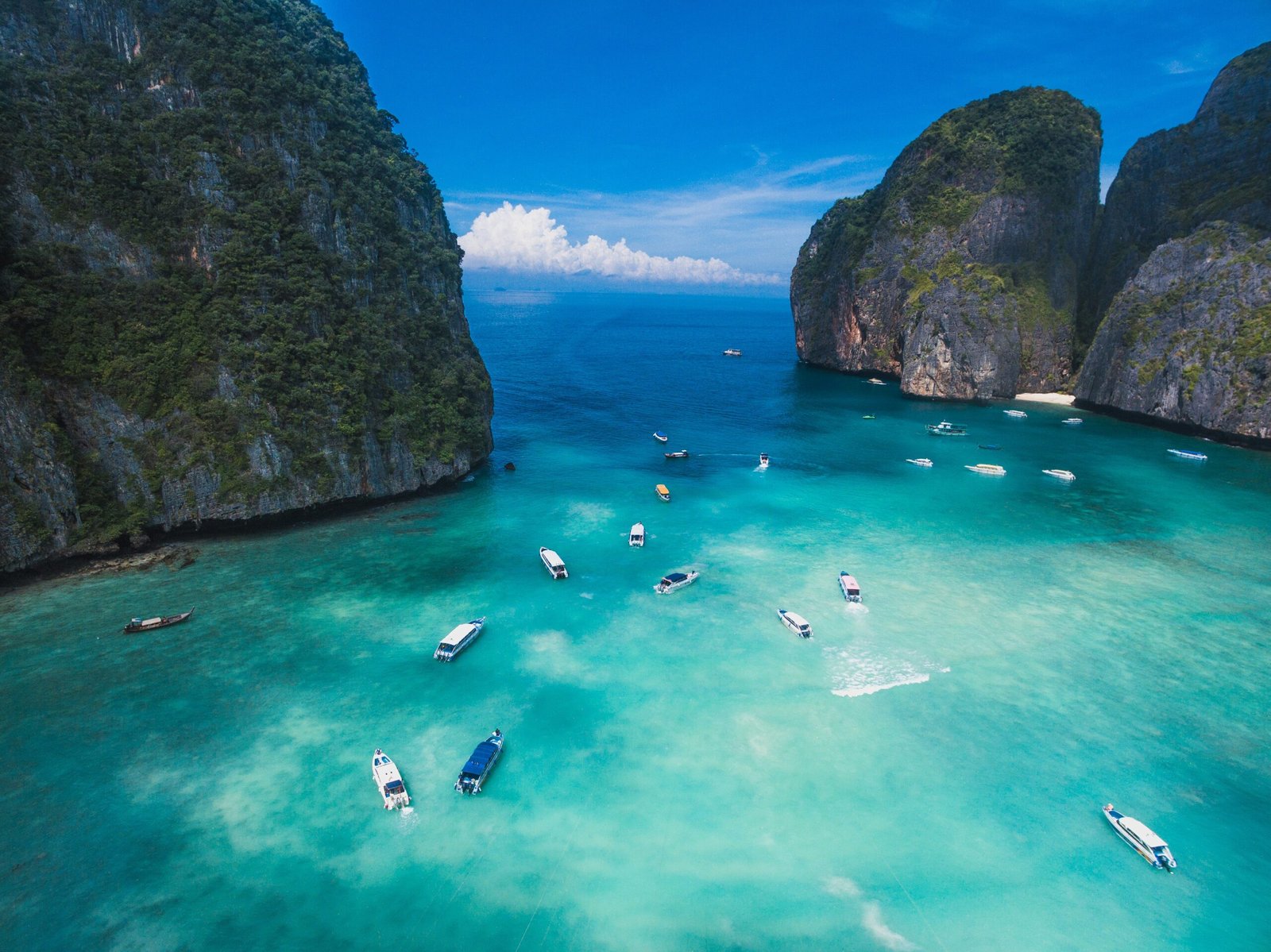
When people think about traveling in Thailand, they often picture Bangkok’s vibrant street life, luxury island resorts, and famous temples. But the real treasure lies beyond the cities — in Thailand’s untouched wild spaces. From emerald rainforests and limestone cliffs to biodiverse national parks, tropical beaches, and serene mountain landscapes, the best nature in Thailand offers some of the most varied and rewarding outdoor experiences in Southeast Asia.
Whether you’re a solo backpacker, digital nomad, photographer, or luxury traveler seeking quiet escapes, this guide will help you discover the country’s most breathtaking natural destinations — including easy-access nature spots, remote hidden gems, and multi-day adventure routes.
This is your detailed guide to nature travel Thailand, complete with what to see, how to get around, where to stay, and insider tips to make your trip smoother.
When travelers search for the best nature in Thailand, what they often discover is that the country offers far more than beaches and island viewpoints. Thailand’s landscapes are exceptionally diverse, shaped by mountains, river valleys, ancient forests, and reef-rich coastlines. This geographic variety is a major reason why Thailand stands out as one of the best nature travel destinations in the region — you can move from misty highland trails to jungle lakes and tropical islands without leaving the country.
Thailand’s environment can be grouped into four major regions, each showcasing a different side of the best nature in Thailand. From cool northern mountains and remote northeastern plateaus to central forest parks and southern tropical coastlines, each landscape offers unique travel experiences.
| Region | Key Landscapes | Why It Matters |
|---|---|---|
| Northern Thailand | Cool mountain ranges, pine forests, rice terraces | Ideal for trekking, hill villages, and sunrise viewpoints |
| Northeastern Thailand (Isaan) | Rocky plateaus, sandstone cliffs, river landscapes | Atmospheric scenery with fewer tourists and slower travel |
| Central Thailand | Forest parks, rivers, limestone caves, waterfalls | Easy-access nature trips from Bangkok and major cities |
| Southern Thailand (Andaman & Gulf) | Coral reefs, mangroves, white-sand beaches, limestone islands | Perfect for snorkeling, kayaking, and marine wildlife travel |
The variety means you can:
And all with reliable transport, accommodation options, and welcoming travel infrastructure.
To keep this guide practical, let’s match the best nature in Thailand to your travel personality. Adventure seekers can explore rugged mountains and dense jungles in northern regions like Chiang Mai and Mae Hong Son. Beach lovers will find pristine islands and crystal-clear waters in the south, from Krabi to Koh Lipe. For those who enjoy wildlife and eco-tourism, national parks such as Khao Sok and Erawan offer lush forests, waterfalls, and opportunities to observe Thailand’s unique flora and fauna. Cultural travelers can combine natural beauty with historic temples and riverside towns, finding harmony between nature and tradition. No matter your style, there’s a perfect spot to experience the best nature in Thailand while creating unforgettable memories.
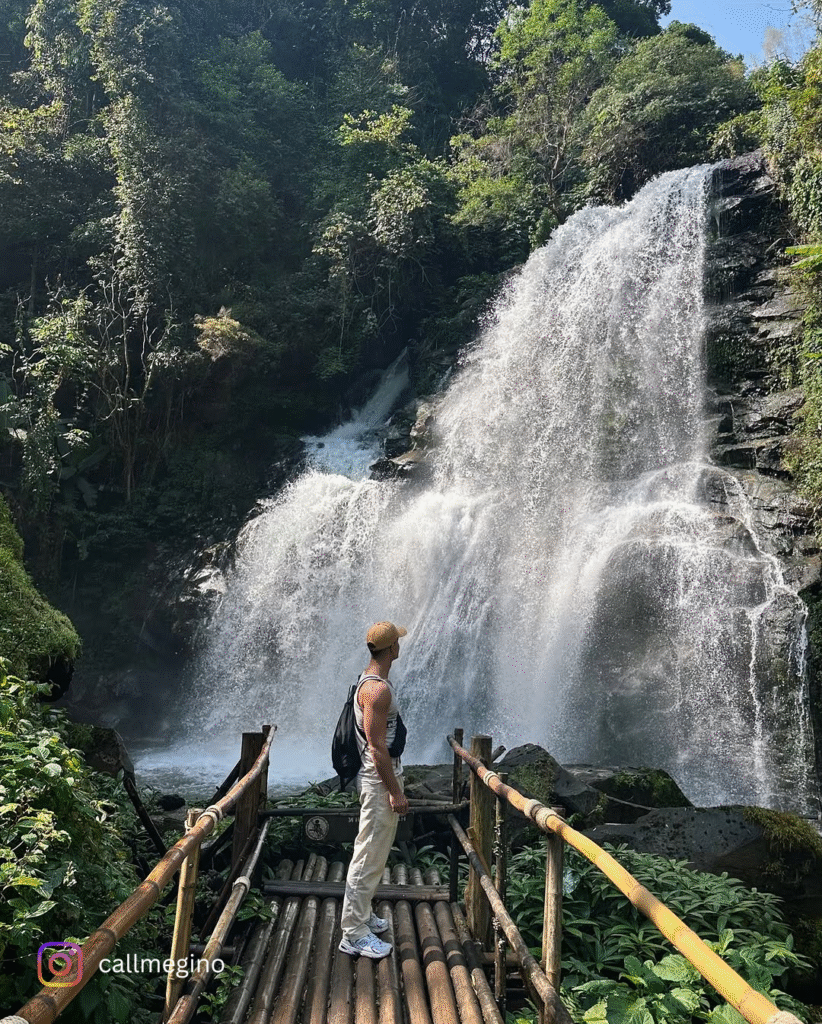
Often called the “Roof of Thailand,” Doi Inthanon rises to 2,565 meters, making it the country’s tallest peak. This park is a must-visit destination for travelers looking to experience the best nature in Thailand, offering cool temperatures, lush forests, and breathtaking waterfalls. Its diverse landscapes and unique highland ecosystems make it a favorite for both nature enthusiasts and casual tourists.
Travel Tip
To make the most of your visit to Doi Inthanon National Park, plan your trip on weekdays and aim for an early morning drive to catch the sunrise before the crowds arrive. The crisp mountain air, drifting mist, and quiet forest trails make this one of the most rewarding experiences for anyone seeking the best nature in Thailand.
For updated visitor information, hiking routes, and weather details, check the official Doi Inthanon National Park website.
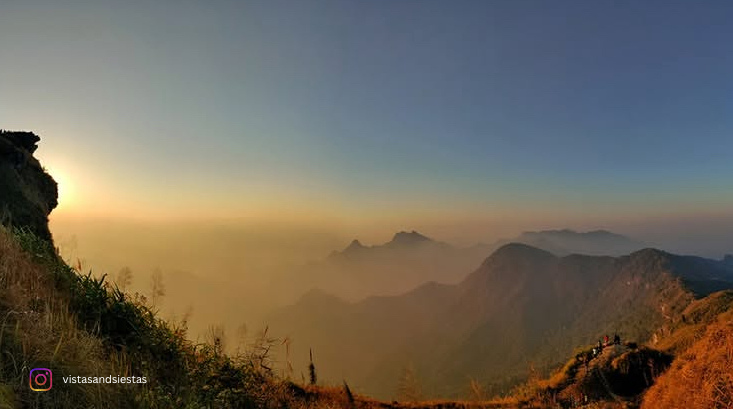
Perched high on the Lao border, Phu Chi Fa is one of the best nature in Thailand destinations for sunrise lovers. Mist blankets the valleys below, revealing golden peaks and sea-of-cloud views that feel almost otherworldly.
Why It’s Special
What to See
Travel Tip
Visit between November and February for the clearest skies. Dress warmly and start your hike before dawn for the best light. For maps, trail updates, and travel info, see the official Phu Chi Fa Viewpoint guide
The Mae Hong Son Loop offers one of the most scenic drives in northern Thailand, winding through over 1,800 mountain curves. Travelers experience misty forests, remote hill tribe villages, waterfalls, and tranquil towns—making it a true showcase of the best nature in Thailand.
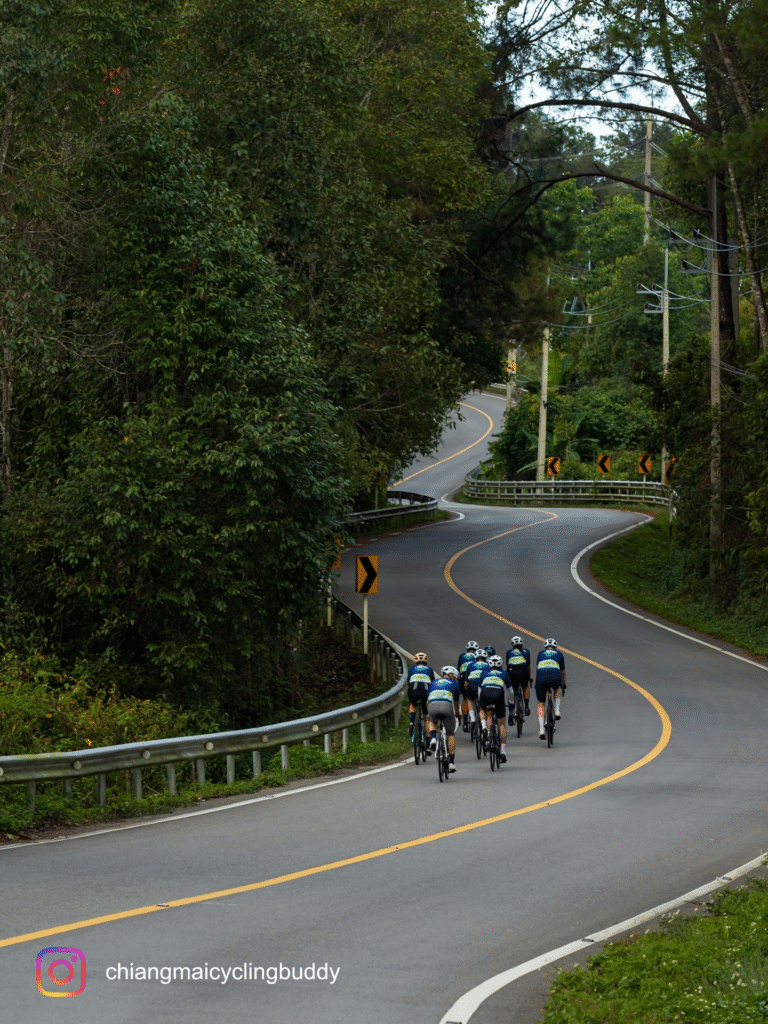
Highlights
What to See
Travel Tip
Allow 4–5 days to complete the route comfortably and enjoy each stop without rushing. Ride clockwise from Chiang Mai for smoother ascents, better viewpoints, and fewer crowds. Plan fuel stops in advance and check weather updates before riding. For maps and details, visit the Mae Hong Son Loop travel guide
Khao Sok National Park in southern Thailand is a rainforest paradise and one of the best nature in Thailand destinations. With limestone cliffs, ancient jungles, and emerald lakes, it offers a mix of adventure and serenity ideal for eco-travelers and nature lovers alike.
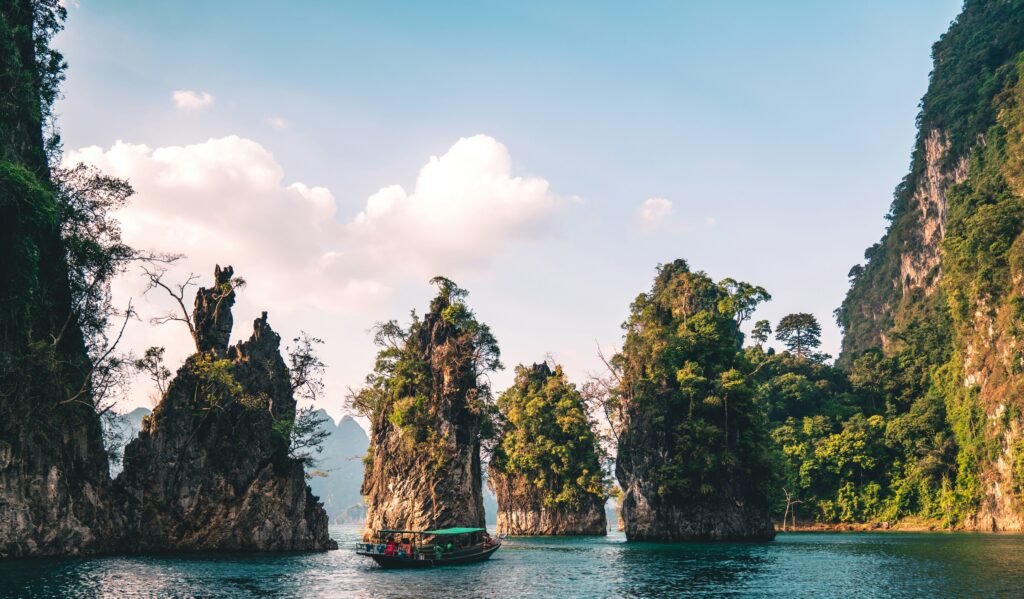
What to See
Explore Cheow Lan Lake by longtail boat, hike through the rainforest to hidden waterfalls, or kayak along calm rivers surrounded by karst mountains. Wildlife such as gibbons, hornbills, and even wild elephants can sometimes be spotted. Overnight floating bungalows offer a truly unique stay amid pristine nature.
Travel Tip
Visit between December and April for ideal weather and clear views. Bring dry bags for lake trips and book accommodations early—floating stays fill quickly. Combine your visit with nearby Khao Lak or Krabi for a balanced adventure. For maps, entry fees, and guided tour details, check the Khao Sok National Park travel guide
The Similan Islands are a crown jewel of the Andaman Sea and among the best nature in Thailand for marine exploration. Known for crystal-clear waters, white sand beaches, and colorful coral reefs, this protected archipelago is ideal for snorkeling, diving, and island-hopping adventures.

What to See
Dive or snorkel around Koh Similan and Koh Miang to spot manta rays, sea turtles, and vibrant coral gardens. Hike to Sail Rock Viewpoint for panoramic ocean views, or relax on powdery beaches surrounded by turquoise waters—each island showcasing the best nature in Thailand both above and below the surface.
Travel Tip
The islands are open only from October to May to protect marine life, so plan your visit during this period. Book licensed eco-tours to minimize environmental impact and secure park entry in advance. For updated schedules, diving permits, and eco-guidelines, see the official Similan Islands National Park travel guide
Railay Beach and Tonsai Cliffs in Krabi showcase the best nature in Thailand, blending dramatic limestone formations with turquoise seas and lush jungle trails. Accessible only by boat, this area is a paradise for rock climbers, beach lovers, and adventure seekers alike.
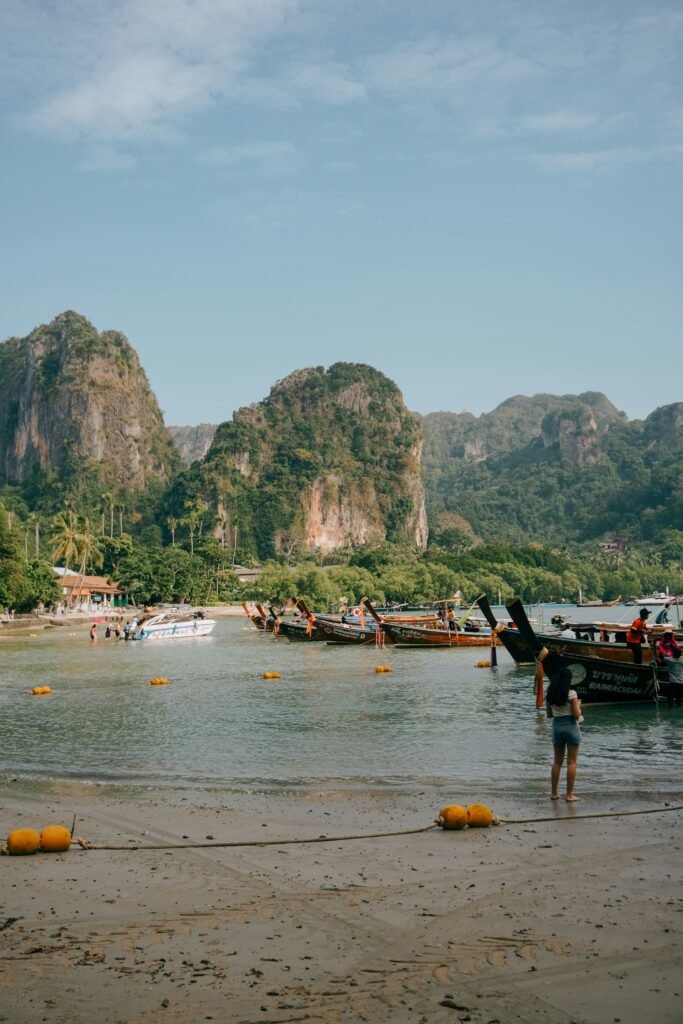
What to See
Climb the iconic limestone cliffs for breathtaking coastal views, kayak through sea caves, or relax on Phra Nang Beach, one of Thailand’s most scenic shores. Explore hidden lagoons and tropical jungles that highlight the region’s wild beauty—proof of the best nature in Thailand at its finest.
Travel Tip
Visit from November to April for ideal climbing and beach weather. Stay overnight to enjoy peaceful sunsets after day-trippers leave. Bring cash, as ATMs are limited, and pack light for boat transfers. For climbing guides, tide info, and travel details, see the Railay & Tonsai Krabi travel guide
Khao Yai National Park—a UNESCO World Heritage Site—is one of the best nature in Thailand destinations for wildlife lovers. Just a few hours from Bangkok, it features lush jungles, vast grasslands, and refreshing waterfalls perfect for hiking and nature photography.
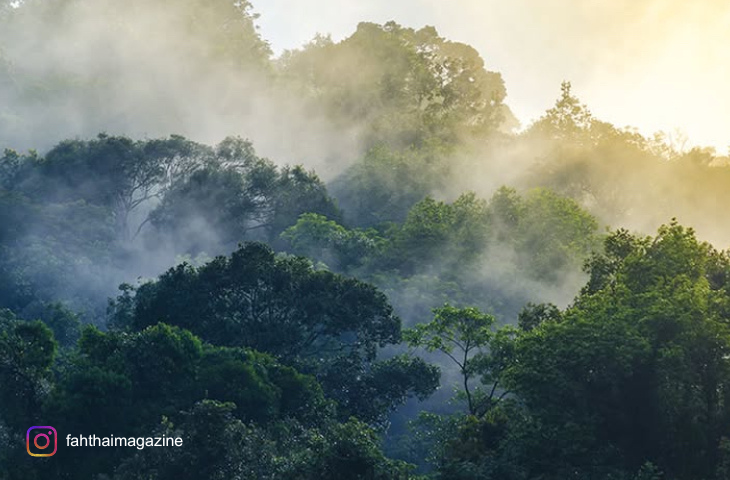
What to See
Spot elephants, gibbons, and hornbills in the wild, trek to Haew Suwat Waterfall (featured in The Beach film), or visit scenic viewpoints like Pha Diao Dai. Its dense forest trails and rich biodiversity make it a symbol of the best nature in Thailand preserved for generations.
Travel Tip
Visit from November to February for cooler weather and active wildlife sightings. Bring binoculars and insect repellent for hikes. Stay in park lodges for early morning safaris. For entry fees, trails, and wildlife info, check the Khao Yai National Park travel guide
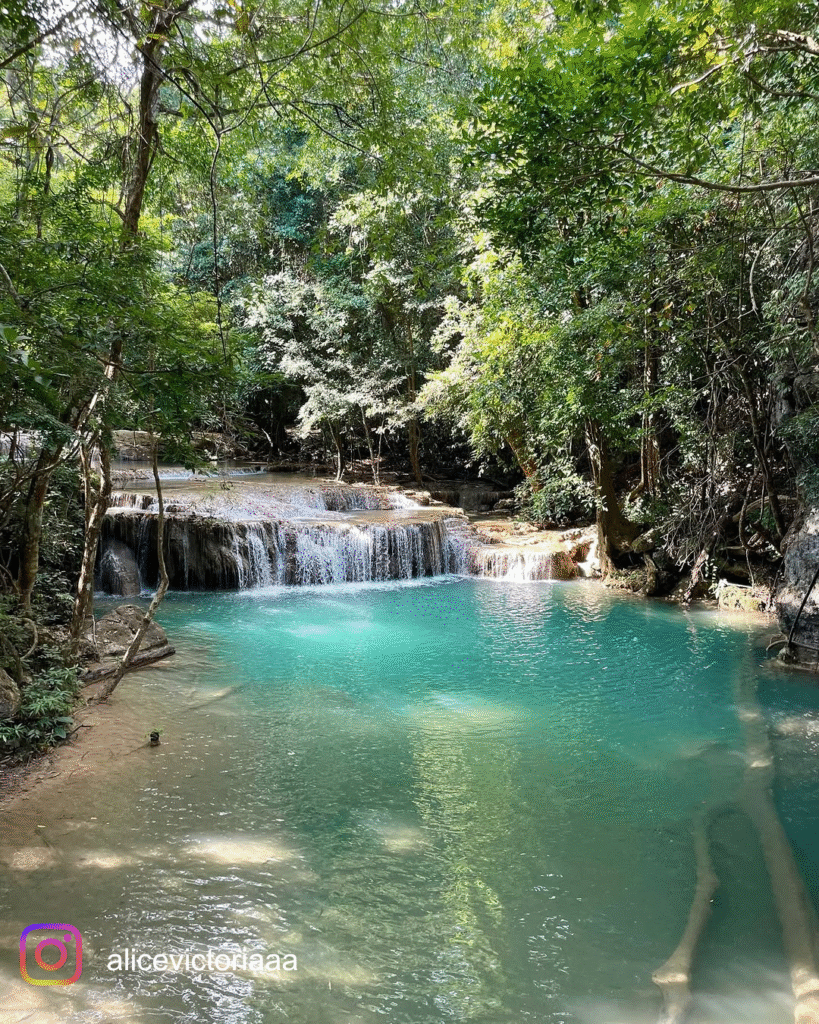
Erawan National Park in Kanchanaburi is renowned for its emerald-tiered waterfall—one of the best nature in Thailand spots for swimming and relaxation. The park’s limestone caves, forested hills, and turquoise pools make it a favorite weekend escape from Bangkok.
What to See
Climb the seven levels of Erawan Falls, each with crystal-clear pools perfect for cooling off. Explore Phartat Cave for dramatic rock formations, or trek along forest trails alive with butterflies and tropical birds—showcasing the refreshing side of the best nature in Thailand.
Travel Tip
Arrive early to enjoy the upper tiers before crowds. Bring water shoes for slippery rocks and leave no litter behind. Visit during the cool season (Nov–Feb) for ideal flow. For visitor hours, fees, and directions, check the Erawan National Park travel guide
Phu Kradueng National Park in Loei Province is one of the best nature in Thailand destinations for hikers, offering pine forests, steep cliffs, and seasonal blooms. The challenging climb rewards travelers with sweeping views and cool air atop a sandstone plateau.

What to See
Hike to Pha Lom Sak for sunset views, cycle through pine trails, and visit waterfalls like Than Sawan and Than Thip. During the cool season, the mountain glows with golden maple leaves—another reason Phu Kradueng represents the best nature in Thailand at its peak.
Travel Tip
Open only from October to May; plan early to secure camping space. Prepare for a steep ascent and rent a porter if needed. Nights get cold, so pack layers. For trail maps, opening dates, and permits, visit the Phu Kradueng National Park guide
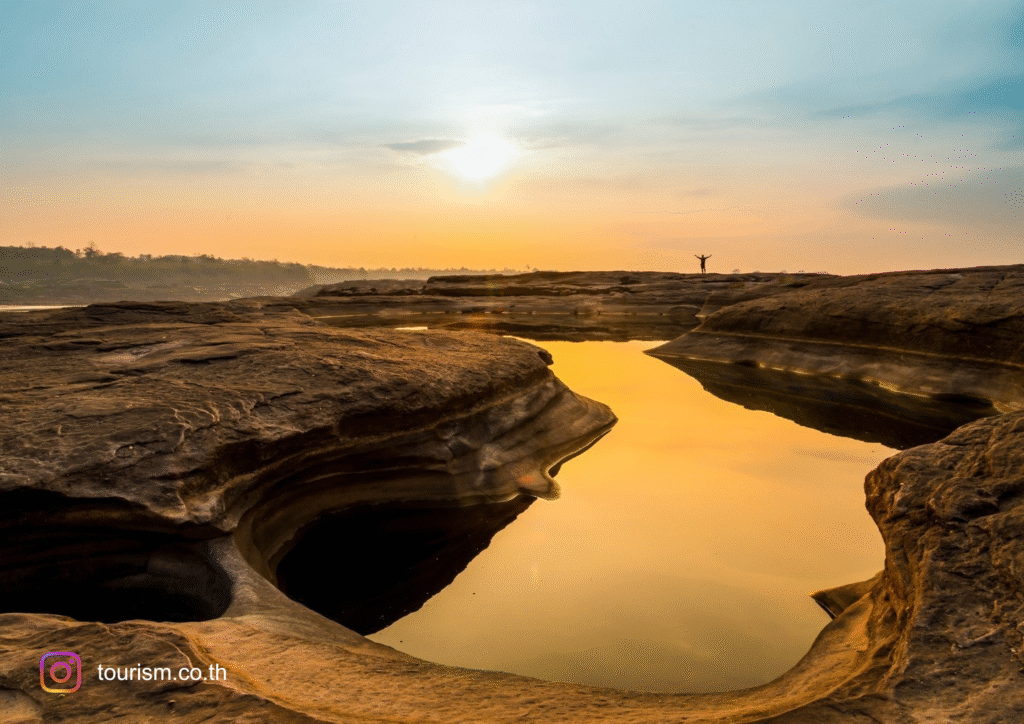
Located in Ubon Ratchathani, Sam Phan Bok—“the Grand Canyon of Thailand”—offers striking sandstone formations carved by the Mekong River. Its otherworldly landscape and sunrise reflections make it one of the best nature in Thailand for photographers and explorers.
What to See
Walk among over 3,000 rock holes shaped by water erosion, admire heart-shaped basins, and take a boat trip along the Mekong to nearby sand dunes. The golden light and geological patterns here showcase a truly unique side of the best nature in Thailand.
Travel Tip
Best visited from November to April when the river recedes and rock formations are visible. Visit at sunrise or sunset for the best colors. Bring sunscreen and plenty of water. For directions and seasonal updates, see the Sam Phan Bok travel guide
| Season | Best Regions | Notes |
|---|---|---|
| Cool Season (Nov–Feb) | North & Northeast | Best hiking and clear sky viewpoints |
| Hot Season (Mar–May) | Islands | Beach and marine visibility season |
| Rainy Season (Jun–Oct) | Jungles & Waterfalls | Best waterfall volume, but check trail/access conditions |
If you plan to visit islands, avoid October in the Andaman Sea due to storms.
Simple actions make a real difference:
Thailand’s landscapes offer something for every nature lover, from misty mountains in the north to turquoise islands in the south. Whether you’re chasing waterfalls, exploring jungles, or relaxing on pristine beaches, these destinations represent the best nature in Thailand.
If you’re also curious about Thailand’s food, you might enjoy planning your meals around local flavors—our guide on Which Thai Dishes Are Good for Picky Eaters? can help you navigate Thai cuisine while traveling. Combining food and nature experiences ensures a richer, more memorable trip.