Physical Address
304 North Cardinal St.
Dorchester Center, MA 02124
Physical Address
304 North Cardinal St.
Dorchester Center, MA 02124

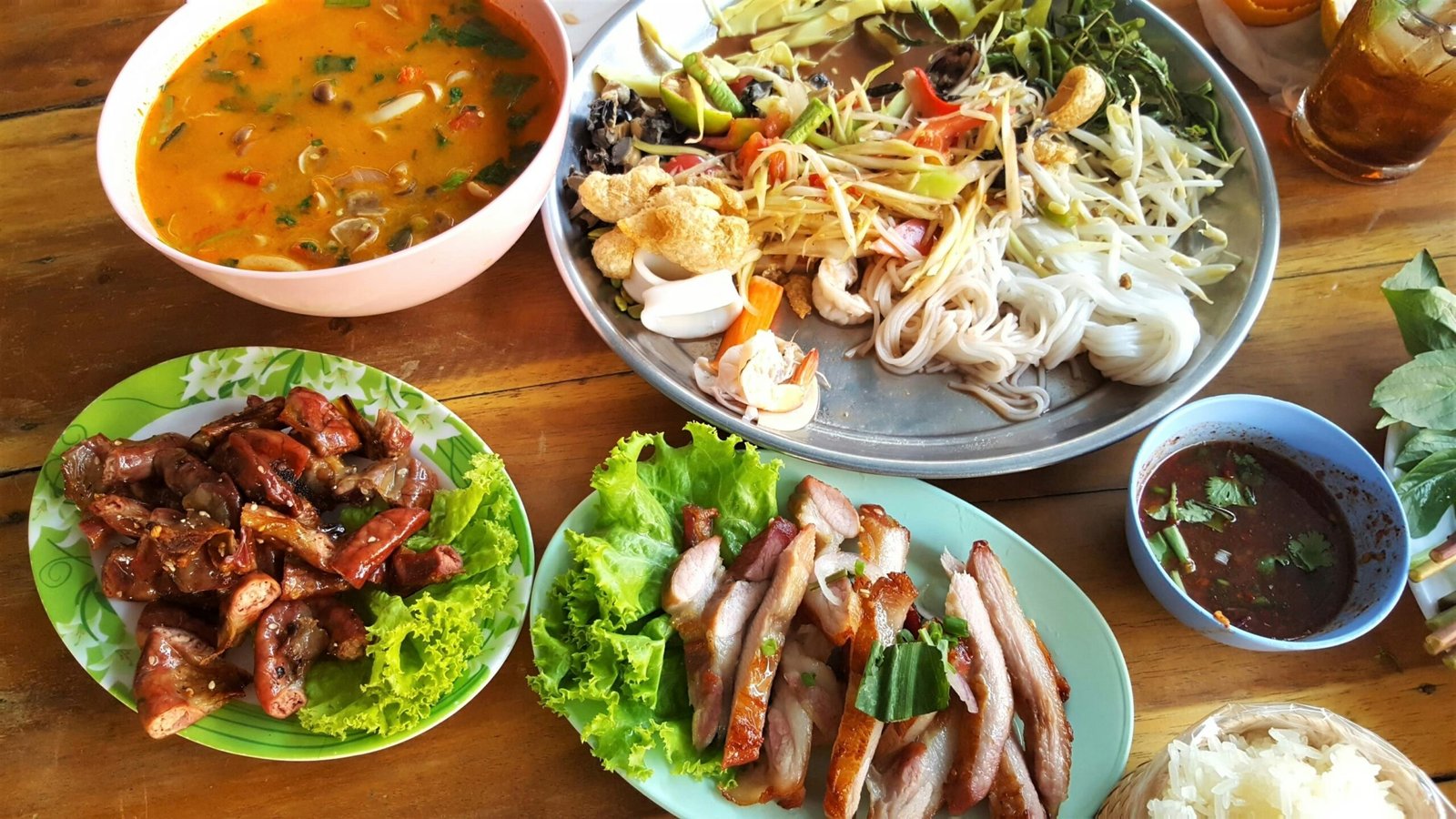
Thailand is a country celebrated for its vibrant culture, warm hospitality, and most of all — its unforgettable food. Whether you’re exploring Bangkok’s street markets or dining in a seaside restaurant in Phuket, Thai cuisine offers a harmony of flavors that represent the soul of the nation.
In this guide, we’ll explore classic Thai dishes that every visitor (and home cook) should know, along with the stories and regional influences that make each one special.
Thai food is all about balance — the perfect interplay of sweet, salty, sour, bitter, and spicy. Each dish seeks harmony rather than dominance of one flavor.
💡 Tip: When traveling in Thailand, don’t judge a restaurant by its appearance — some of the best Thai food comes from humble street stalls.
Arguably Thailand’s most famous export, Pad Thai is a stir-fried noodle dish that perfectly balances sweet, salty, and sour notes.

Pad Thai gained national fame in the 1930s when the Thai government promoted it as a unifying national dish. Today, it’s a staple across Thailand — from street vendors to high-end restaurants.
⚠️ Common Mistake: Many Western versions are overly sweet. Traditional Pad Thai should have a tangy tamarind flavor with a touch of heat.
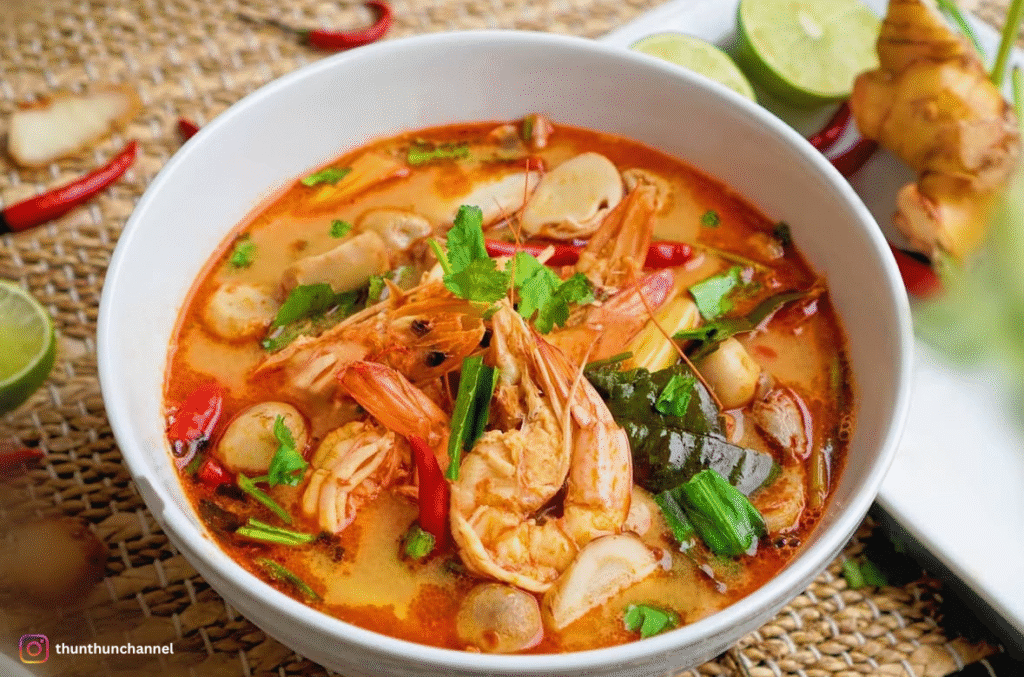
A quintessential dish that showcases Thailand’s love for spicy and sour combinations.
Tom Yum Goong uses fresh herbs — lemongrass, galangal, kaffir lime leaves — combined with chili paste, fish sauce, and lime juice. The result is an aromatic broth with layers of heat and citrusy brightness.
💡 Travel Tip: The best Tom Yum Goong in Bangkok is often found at riverside eateries where the shrimp is freshly caught that morning.
Originating in northeastern Thailand (Isan), Som Tam is a fiery, tangy salad made with shredded unripe papaya, lime, fish sauce, and chilies.
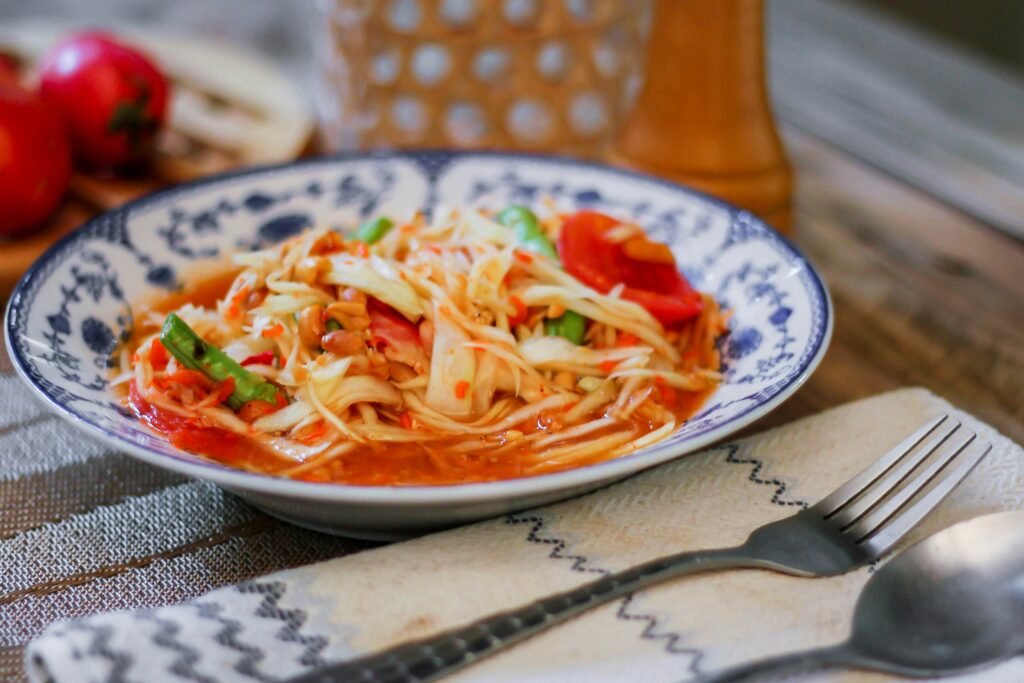
Som Tam represents Thai street food at its finest — fresh, quick, and bursting with flavor.
Rich, aromatic, and full of depth, Gaeng Daeng (Red Curry) is made with red chili paste, coconut milk, and a choice of protein — often chicken or beef.
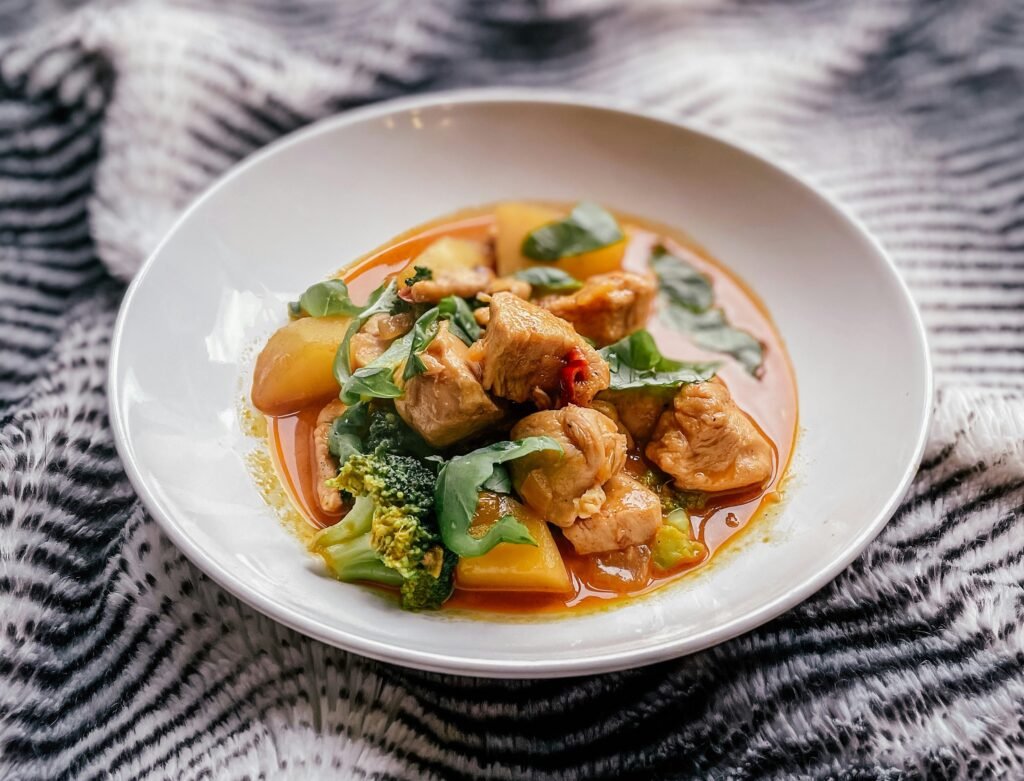
Steamed jasmine rice or thin rice noodles.
💡 Cooking Tip: To achieve the right flavor, fry the curry paste in coconut cream until fragrant before adding the rest of the ingredients.
Massaman Curry is influenced by Persian and Indian cuisines, brought to Thailand through trade centuries ago. It’s mild, rich, and aromatic, making it one of the most comforting Thai dishes.
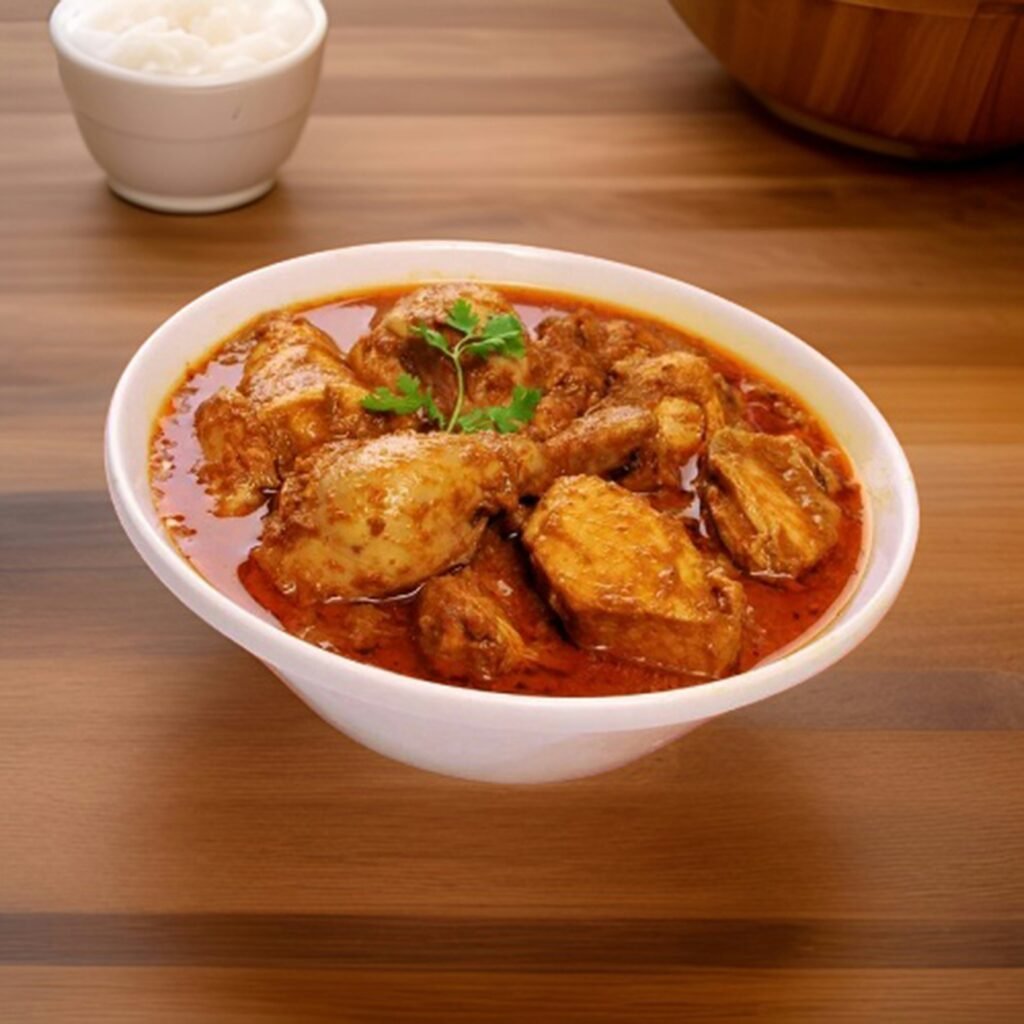
Unlike spicier Thai curries, Massaman is sweet, nutty, and subtly spiced — ideal for those new to Thai food.
If you ask a Thai person their go-to lunch order, chances are it’s Pad Kra Pao. This simple yet addictive dish features minced meat stir-fried with Thai holy basil, garlic, and chilies, served over rice and topped with a fried egg.
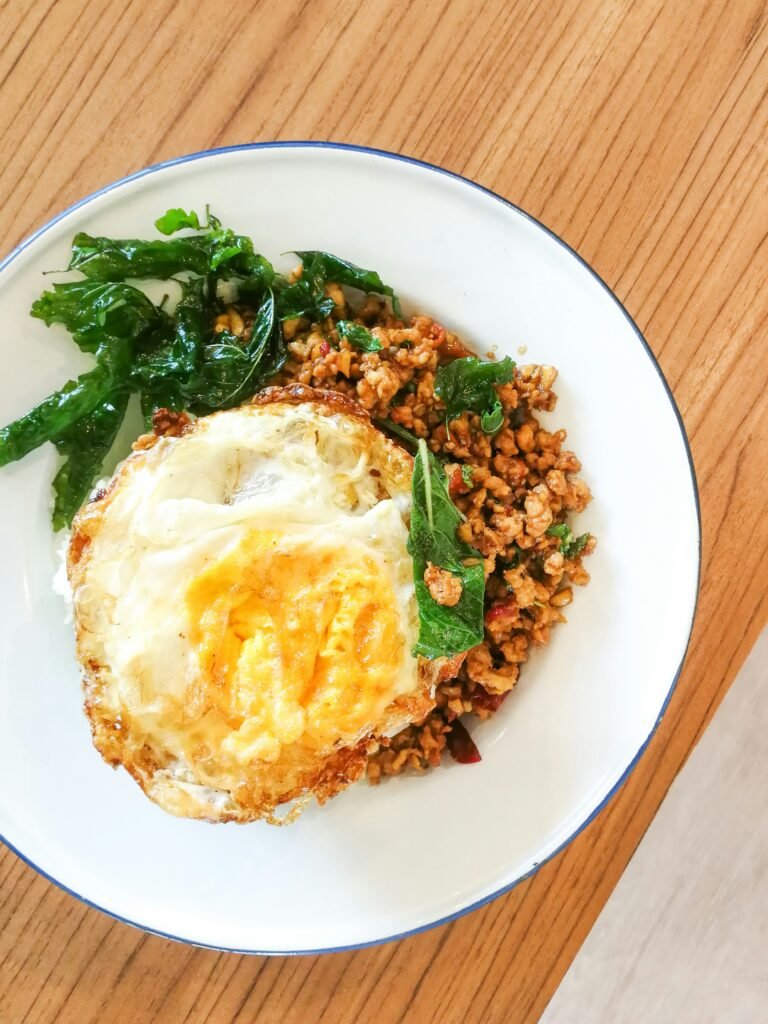
💡 Tip: “Extra spicy” in Thailand means very spicy. Ask for mai phet (not spicy) if you’re new to chili heat.
A Chiang Mai specialty, Khao Soi is a rich curry noodle soup that blends Burmese, Chinese, and Thai influences.
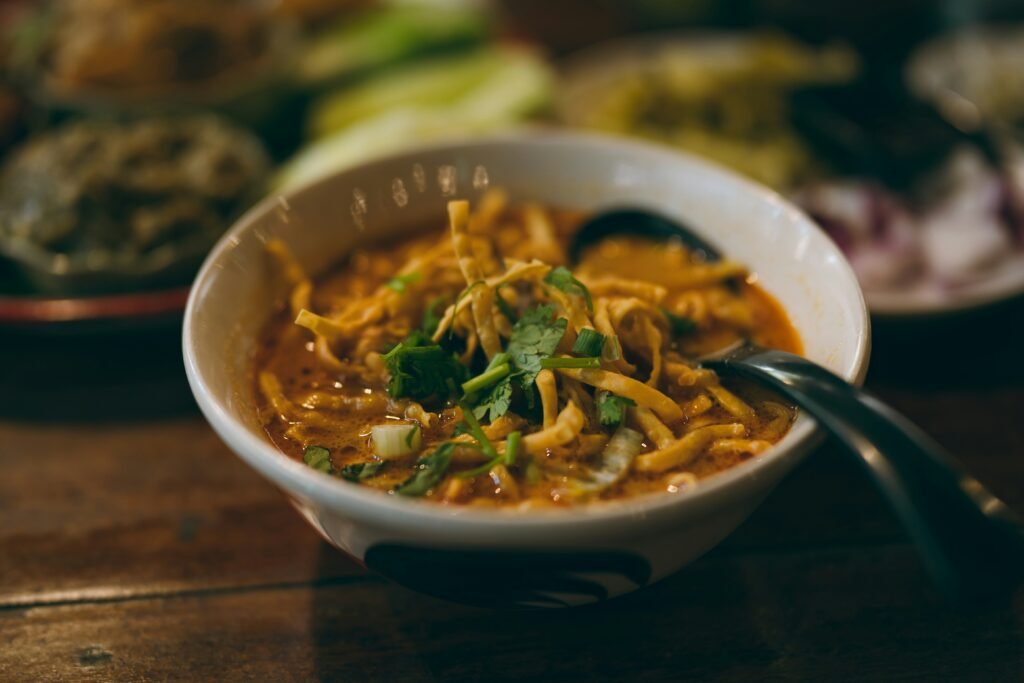
Khao Soi is synonymous with northern Thailand — it’s warm, hearty, and deeply flavorful.
💡 Travel Tip: Try Khao Soi on your next visit to Chiang Mai’s Sunday Walking Street Market for an authentic taste experience.
Meaning “stir-fried soy sauce noodles,” Pad See Ew is a comfort food found at nearly every Thai eatery.
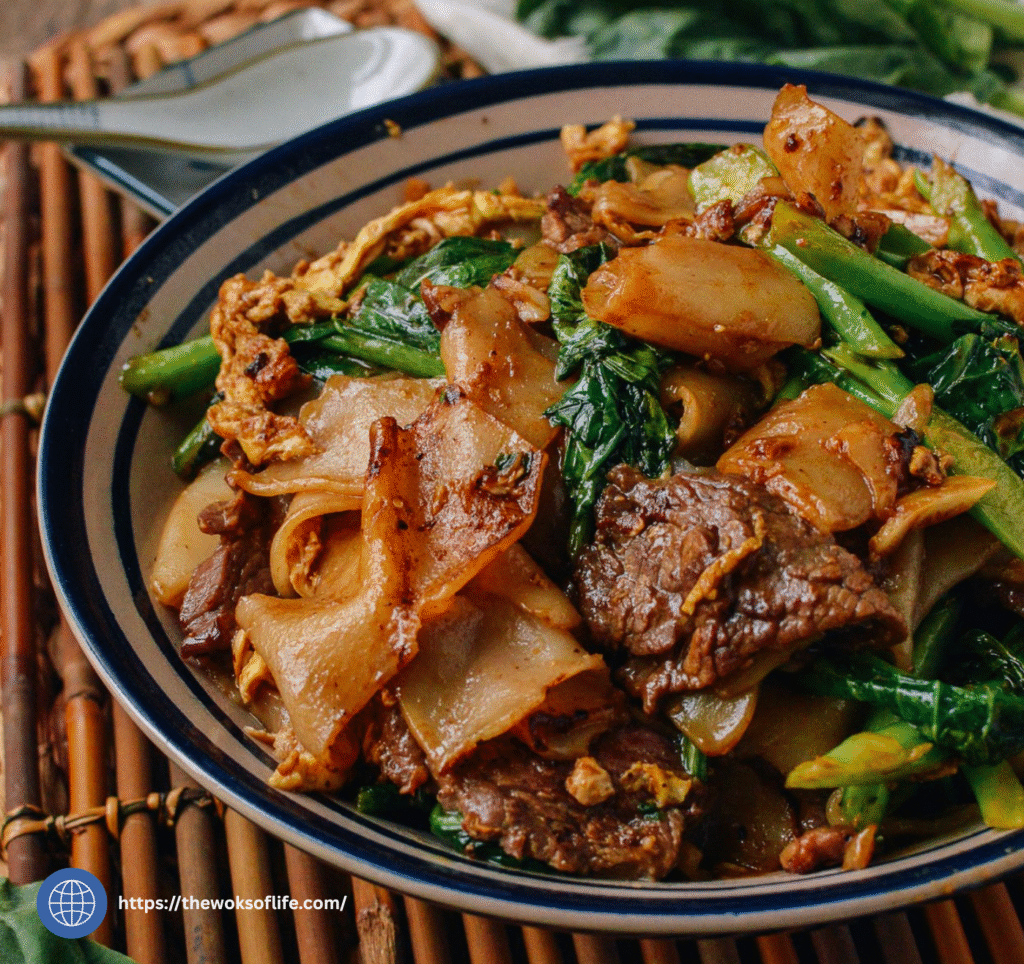
This dish is sweeter and less spicy than Pad Thai, making it a popular choice for all ages.
A simple yet flavorful staple, Khao Pad combines jasmine rice, egg, onion, and fish sauce — often customized with shrimp, chicken, or crab.
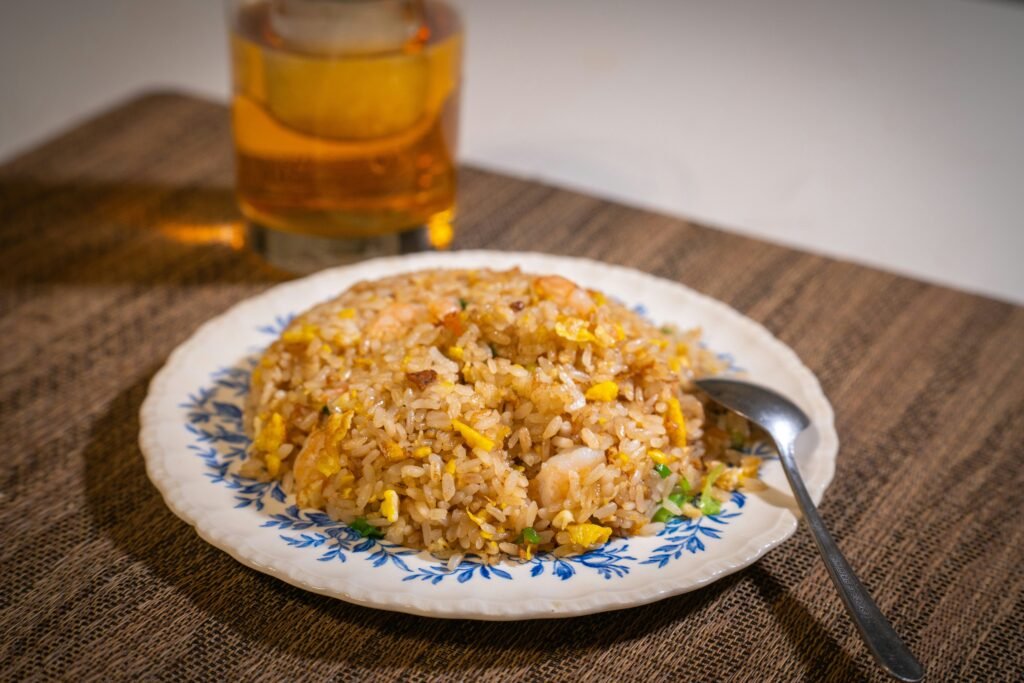
Every region in Thailand has its own twist — southern versions may be spicier, while central Thai styles emphasize sweetness.
Known for its bright green color and creamy texture, Green Curry is among Thailand’s most aromatic dishes.
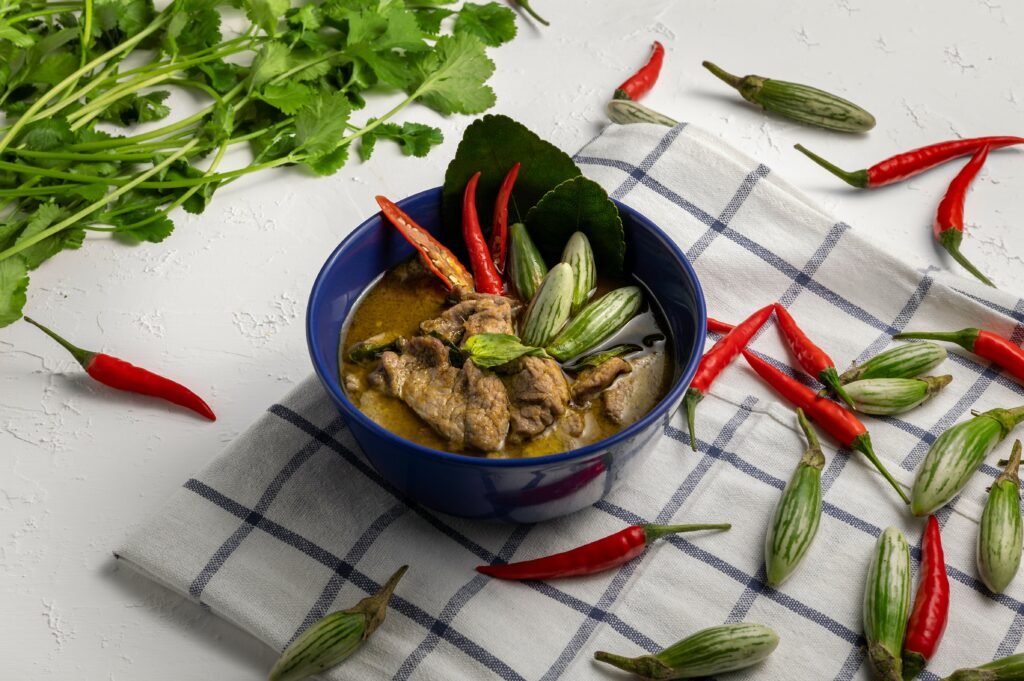
⚠️ Common Mistake: Many home cooks use too little curry paste. Authentic Green Curry should be fragrant, spicy, and slightly sweet.
A popular breakfast street food, Moo Ping consists of marinated pork skewers grilled over charcoal and served with sticky rice.
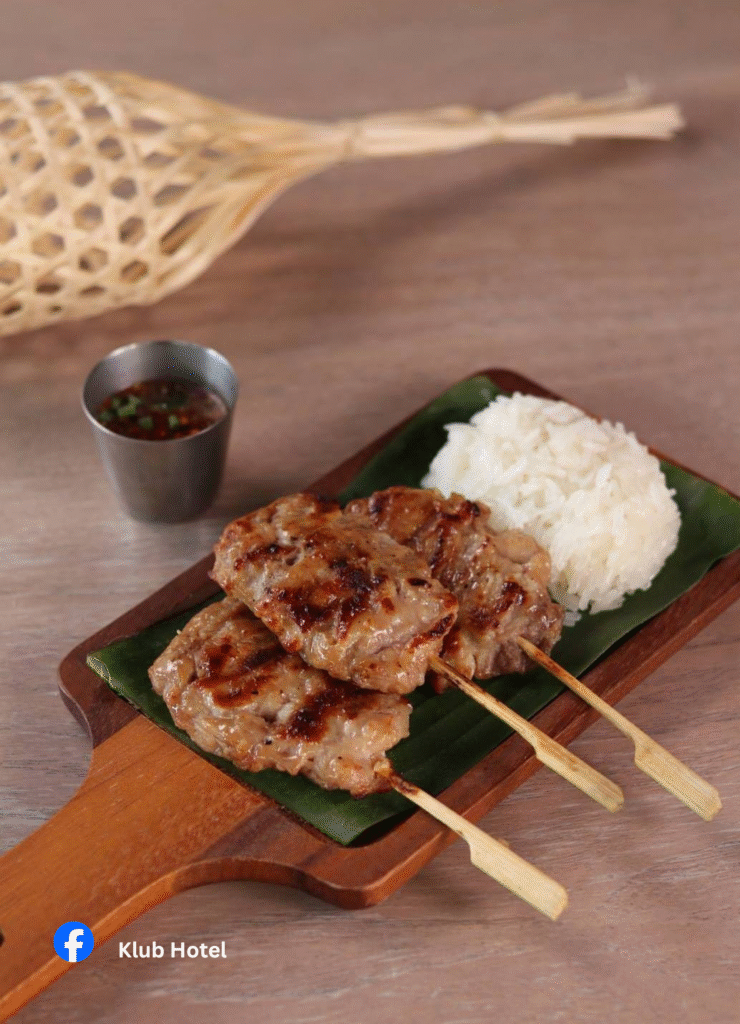
Sweet, smoky, and savory — the perfect grab-and-go meal for early-morning commuters in Thailand.
No list of classic Thai dishes is complete without dessert. Mango Sticky Rice combines sweet glutinous rice with coconut milk and ripe mango slices — a refreshing finish to any Thai meal.
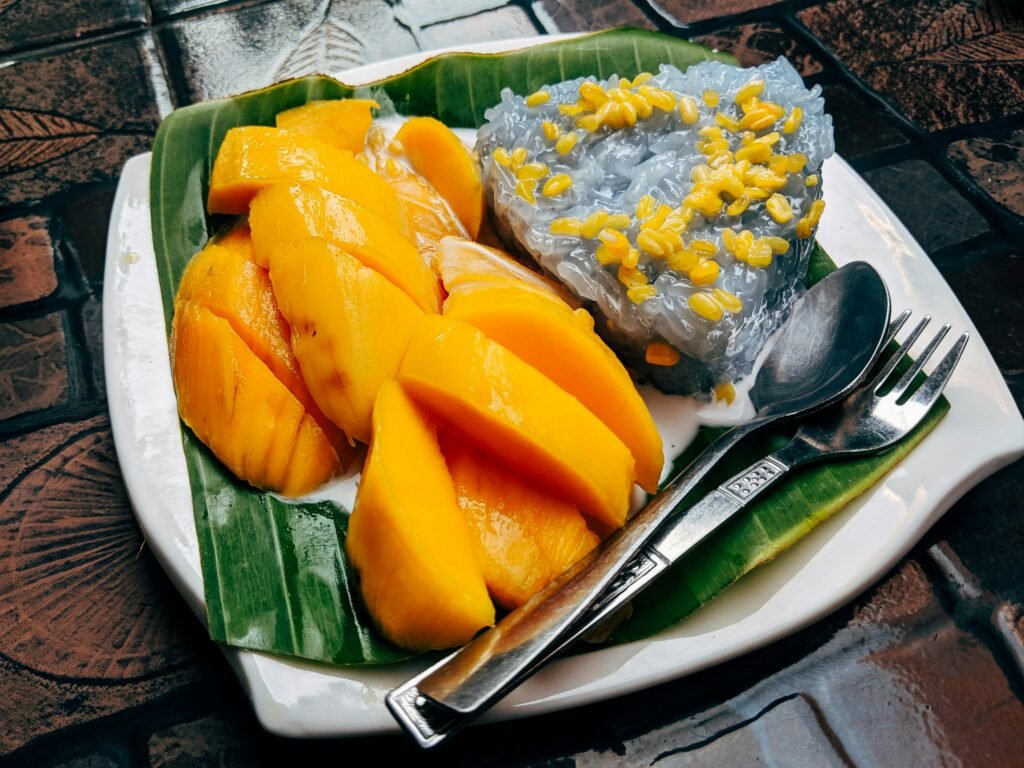
💡 Seasonal Tip: The best time to enjoy this dish is during mango season (March–June) when the fruit is at its sweetest.
Thailand’s cuisine is a mosaic of its geography and history. From the fertile central plains to the mountainous north and the tropical coasts of the south, each region expresses its own cultural influences and local produce through food. Understanding these regional distinctions deepens appreciation for classic Thai dishes — and helps travelers know what to expect as they journey through the country.
Central Thailand, home to Bangkok and the surrounding plains, is the heart of Thai cuisine. This region’s dishes are known for their balance and refinement, often embodying the perfect mix of sweet, sour, salty, and spicy flavors. The abundance of rice paddies, freshwater fish, and tropical fruits provides a rich pantry for local cooks.
Classic dishes like Tom Yum Goong (spicy shrimp soup) and Gaeng Keow Wan (green curry) reflect the region’s mastery of harmony. Tom Yum Goong delivers a precise interplay of sour lime, salty fish sauce, and fiery chili, while Green Curry highlights fragrant herbs like Thai basil and kaffir lime. You’ll also find Royal Thai cuisine, which traces its roots to the royal courts of Ayutthaya and Bangkok — elegant, intricately carved, and meticulously plated.
💡 Cultural Insight: Central Thai cuisine often serves as the country’s culinary ambassador. Many of the dishes foreigners associate with “Thai food” — such as Pad Thai and Green Curry — originated or were perfected here.
Nestled among misty mountains and influenced by neighboring Myanmar and Laos, Northern Thai cuisine (known locally as Lanna cuisine) is mild, fragrant, and comforting. Coconut milk is used sparingly here, replaced instead by local herbs and toasted spices. The region’s cooler climate supports the cultivation of fresh vegetables, mushrooms, and herbs that define its earthy flavor profile.
The most famous northern dish is Khao Soi, a curry noodle soup with both boiled and crispy egg noodles, often served with chicken or beef. Another favorite is Sai Ua, a coiled herbal sausage bursting with lemongrass, kaffir lime, and chili paste — a must-try for anyone exploring Chiang Mai’s food markets. Sticky rice is the preferred staple, eaten by hand with grilled meats and spicy chili dips (nam prik).
Unlike central Thai food, northern cuisine leans more toward aromatic warmth than searing heat, focusing on balance and texture rather than intensity. Dining here feels rustic and communal — a reflection of the region’s slower pace of life.
💡 Travel Tip: For the most authentic experience, visit a local market in Chiang Rai or Lampang early in the morning and try khanom jeen nam ngiao, a tangy tomato noodle soup unique to the north.
Known as the spiciest and most robust regional cuisine, Isan food represents the bold spirit of northeastern Thailand. Bordering Laos and Cambodia, the region’s cuisine is heavily influenced by Lao traditions, featuring strong flavors, fermented ingredients, and plenty of chili. Despite the area’s arid conditions, Isan cooks have developed ingenious ways to create deeply satisfying dishes from simple, local ingredients.
The iconic Som Tam (green papaya salad) is perhaps the best-known Isan export — tangy, fiery, and refreshing all at once. Another essential dish is Larb, a spicy minced meat salad flavored with lime, chili, fish sauce, and roasted rice powder. Sticky rice accompanies nearly every meal, used to scoop up food by hand.
Fermented fish sauce (pla ra) and grilled meats are staples of Isan cooking, giving the food its distinctive rustic and smoky flavor. Meals are often enjoyed outdoors, shared among friends and family, embodying the region’s social and communal nature.
⚠️ Common Mistake: Many visitors underestimate the heat level of Isan dishes. If you’re not used to spice, start with Som Tam Thai (the milder version) before trying Som Tam Poo Pla Ra, which uses fermented crab and fish.
Southern Thai cuisine is an explosion of flavor — rich, spicy, and deeply aromatic, influenced by Malaysia, Indonesia, and the Middle East. Surrounded by ocean on both sides, the region relies heavily on seafood: crab, squid, shrimp, and fish appear in nearly every meal. The liberal use of coconut milk, turmeric, lemongrass, and fresh chilies defines the region’s cooking.
Signature dishes include Massaman Curry, a mildly spiced dish influenced by Persian traders, and Gaeng Tai Pla, a fiery curry made with fermented fish entrails — a delicacy for those who crave intense flavors. Southern curries tend to be hotter and thicker than their central or northern counterparts, with yellow curry (gaeng lueang) being a regional favorite.
Southern Thailand’s geography also shapes its cuisine: the lush coconut groves of Surat Thani supply the rich coconut cream used in both curries and desserts, while the Andaman Sea provides fresh shellfish for daily markets. Meals here are often accompanied by fresh herbs and vegetables, served raw as palate cleansers to cool the heat.
💡 Travel Tip: Visit Krabi or Phuket for some of the freshest seafood curries in Thailand. Ask for “Gaeng Som Pla” (sour curry fish) — tangy, spicy, and beloved by locals.
The diversity of Thai cuisine is a reflection of the country’s geography, trade history, and cultural blending. From the refined balance of Central Thailand to the fierce spice of Isan, every region tells a story through its ingredients and techniques.
Traveling through Thailand is not just about sightseeing — it’s a culinary journey across distinct worlds of flavor. Whether you prefer the soothing curries of the north or the fiery seafood of the south, each region offers a taste of Thailand’s heart and heritage.
Thai cuisine isn’t just food — it’s a journey through Thailand’s history, geography, and soul. From spicy street food to delicate curries, each dish tells a story of balance, creativity, and connection.
If you’re planning to travel Thailand, be sure to experience these classic Thai dishes firsthand. And if you’re learning Thai, check out our language learning section to make your trip even more immersive.