Physical Address
304 North Cardinal St.
Dorchester Center, MA 02124
Physical Address
304 North Cardinal St.
Dorchester Center, MA 02124

Thailand is known for its flavorful food, friendly locals, and vibrant cultural traditions — and one of the best ways to experience all three is by attending the country’s iconic festivals. Whether you’re planning your first Thailand travel experience or returning to explore deeper cultural roots, Thailand’s festivals give travelers a chance to witness celebration, spirituality, creativity, and community in their most authentic form.
From water fights that take over entire cities to candlelit river ceremonies that symbolize letting go of the past, Thailand’s festivals offer something meaningful for every type of traveler. In this guide, we explore Thailand’s best festivals, when to visit, what to expect, and practical tips to make the most of your journey.
Festivals in Thailand are not just events — they are deeply tied to history, Buddhism, the agricultural calendar, monarchy, and community values. Festivals bring families together, strengthen local pride, and express gratitude to nature, gods, and ancestors. If you travel Thailand during any major festival, you’ll experience:
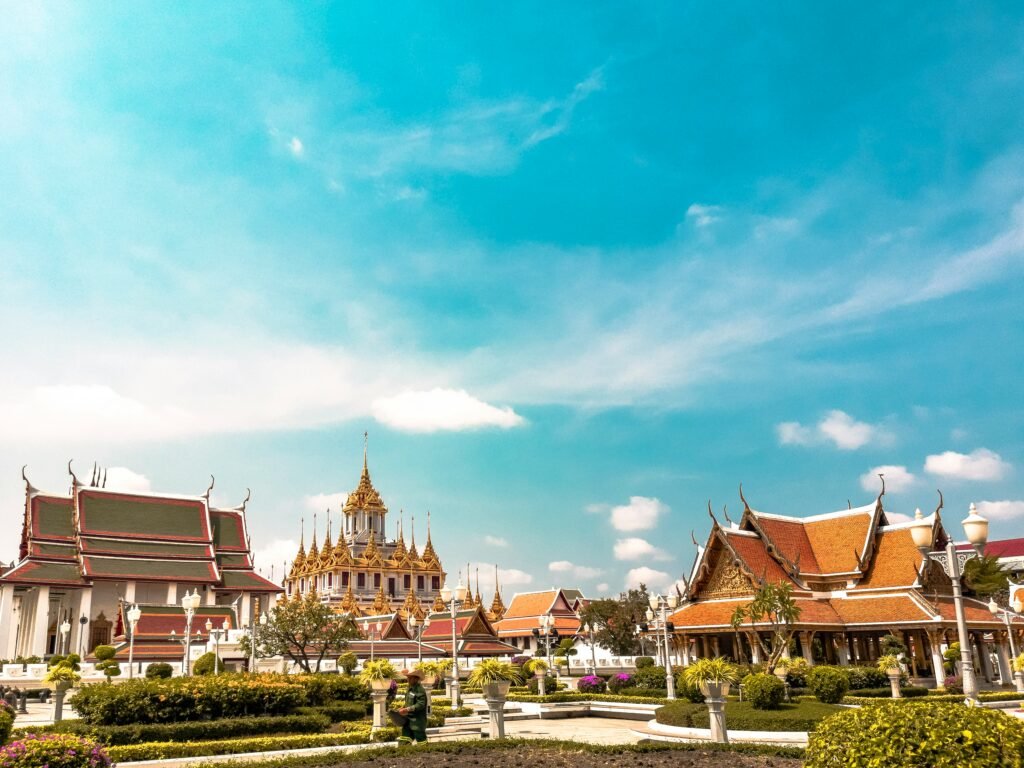
To fully appreciate Thailand travel beyond sightseeing, festivals offer real cultural immersion.
Thailand hosts festivals throughout the year, but the overall experience can vary depending on the weather, region, and crowd levels. Understanding Thailand’s seasonal patterns is key to planning your trip effectively. Because many major celebrations follow the lunar calendar, dates may shift slightly each year — so it’s always a good idea to confirm event schedules before booking flights.
Thailand generally has three seasons:
| Season | Weather | Travel Experience | Key Festivals |
|---|---|---|---|
| Cool Season (Nov–Feb) | Comfortable temperatures, dry | Best for sightseeing and festival photography | Loy Krathong, Yi Peng, New Year Celebrations, Chinese New Year |
| Hot Season (Mar–May) | Hot and sunny | Great for beaches, lively atmosphere, large crowds | Songkran (Thai New Year) |
| Rainy Season (Jun–Oct) | Tropical showers, fewer tourists | Quieter travel, lush landscapes | Phuket Vegetarian Festival, Regional temple fairs |
This is considered the best time for most Thailand travel itineraries. Temperatures are cooler, making outdoor events, lantern releases, and evening ceremonies enjoyable. It’s also a very photogenic time of year, especially around Loy Krathong and Yi Peng, when rivers and skies are illuminated with candlelight and lanterns.
However, this is also the busiest season.
Expect: Higher accommodation prices and more limited last-minute availability.
Recommendation:
Book accommodations and transportation 3–6 months in advance if you plan to attend big festivals in Chiang Mai, Sukhothai, or Bangkok.
Traveling Thailand during the hot season can be challenging due to temperatures that reach 35°C and above, but it’s also when one of the country’s biggest events takes place: Songkran. Streets are full of celebration, energy, and holiday spirit. Beaches and islands are active, nightlife is vibrant, and local markets extend evening hours.
If you enjoy lively environments and cultural immersion, this season can be rewarding. Just stay hydrated and take breaks indoors during the afternoon heat.
Monsoon rains vary widely depending on the region. Some days bring only brief showers, while others have steady rain. This season is less crowded and more relaxed, allowing for a richer connection with local communities and temple life.
Certain festivals — such as the Phuket Vegetarian Festival — are deeply cultural and spiritually focused, making them meaningful experiences for travelers who want to go beyond the typical tourist path.
Benefits of rainy-season travel:
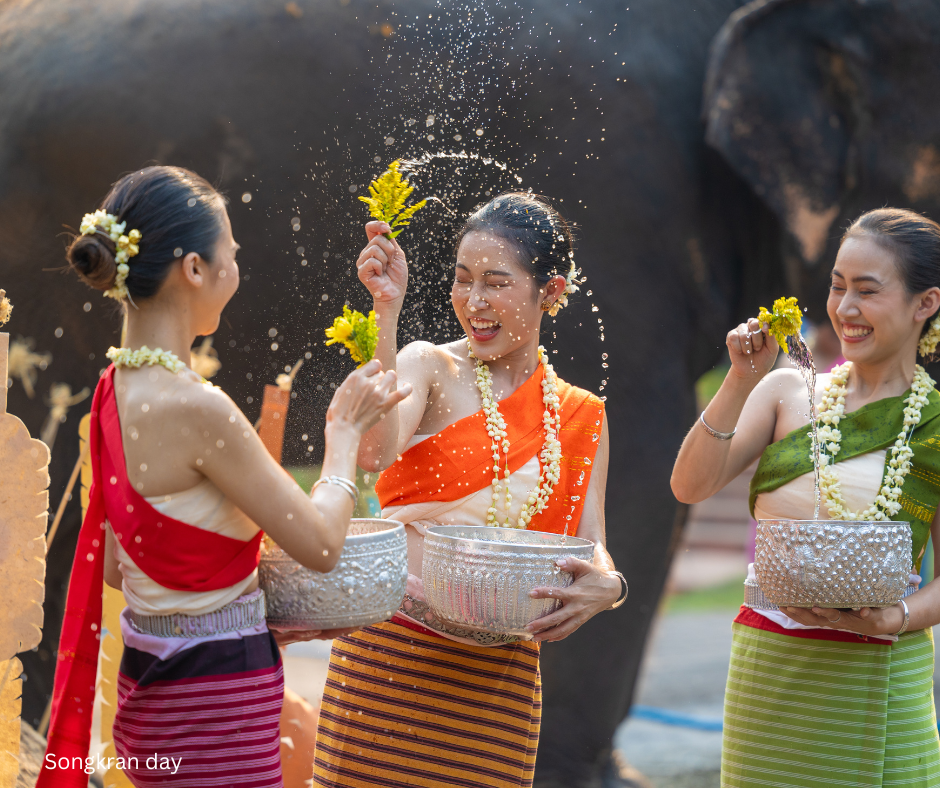
When: April 13–15
Where: Nationwide, but Chiang Mai is the most iconic
Songkran is Thailand’s most famous festival — a nationwide celebration where people throw water at each other to symbolize purification and renewal. Streets turn into playful water battlegrounds, music plays everywhere, and everyone joins, from children to seniors to tourists.
Common Mistake:
Many first-time visitors assume Songkran is just a party. In reality, locals start the day with temple visits and respect elders with ceremonial water pouring. Participate with care.
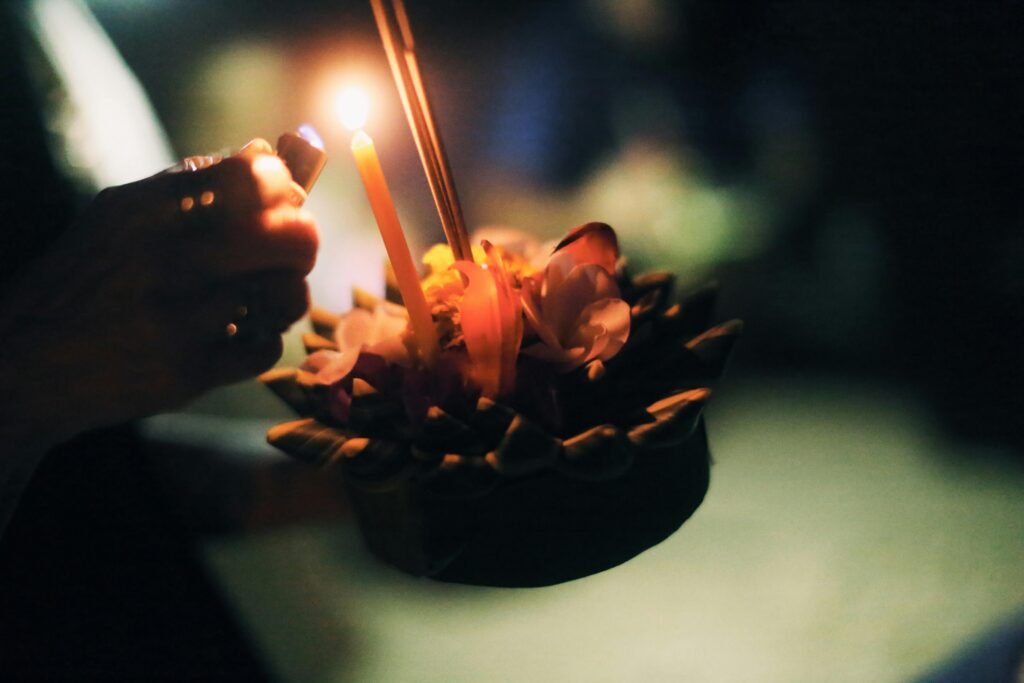
When: Full moon of November
Where: Nationwide
Loy Krathong is one of Thailand’s most visually stunning festivals. People release decorated banana leaf floats (krathong) onto rivers to pay respect to the water goddess and symbolically let go of regret or negativity.
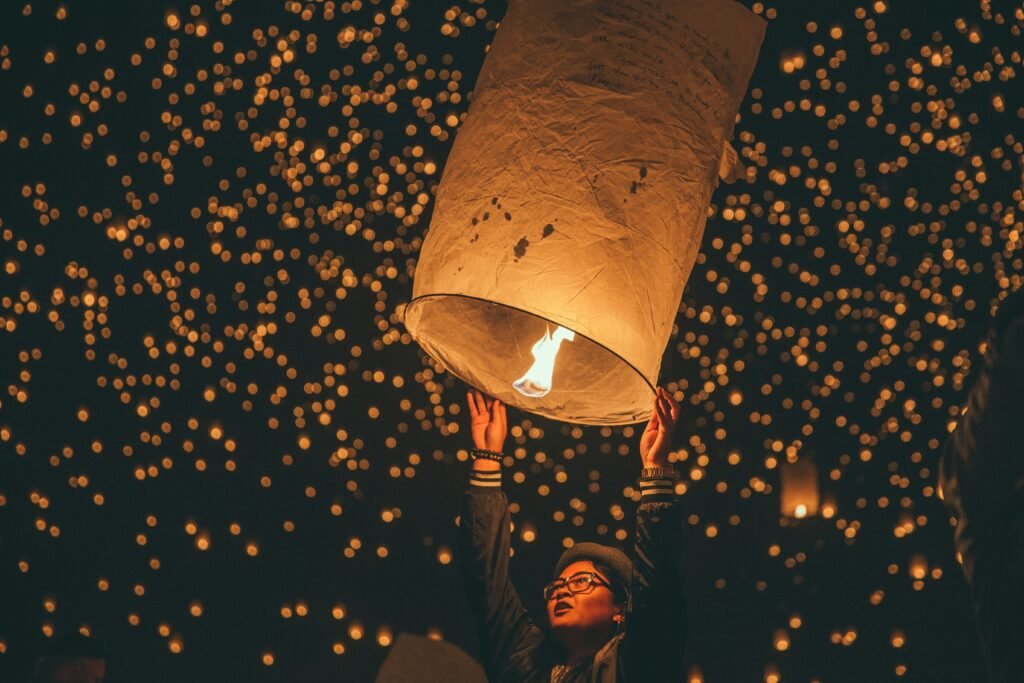
When: Same week as Loy Krathong (November)
Where: Chiang Mai (Northern Thailand)
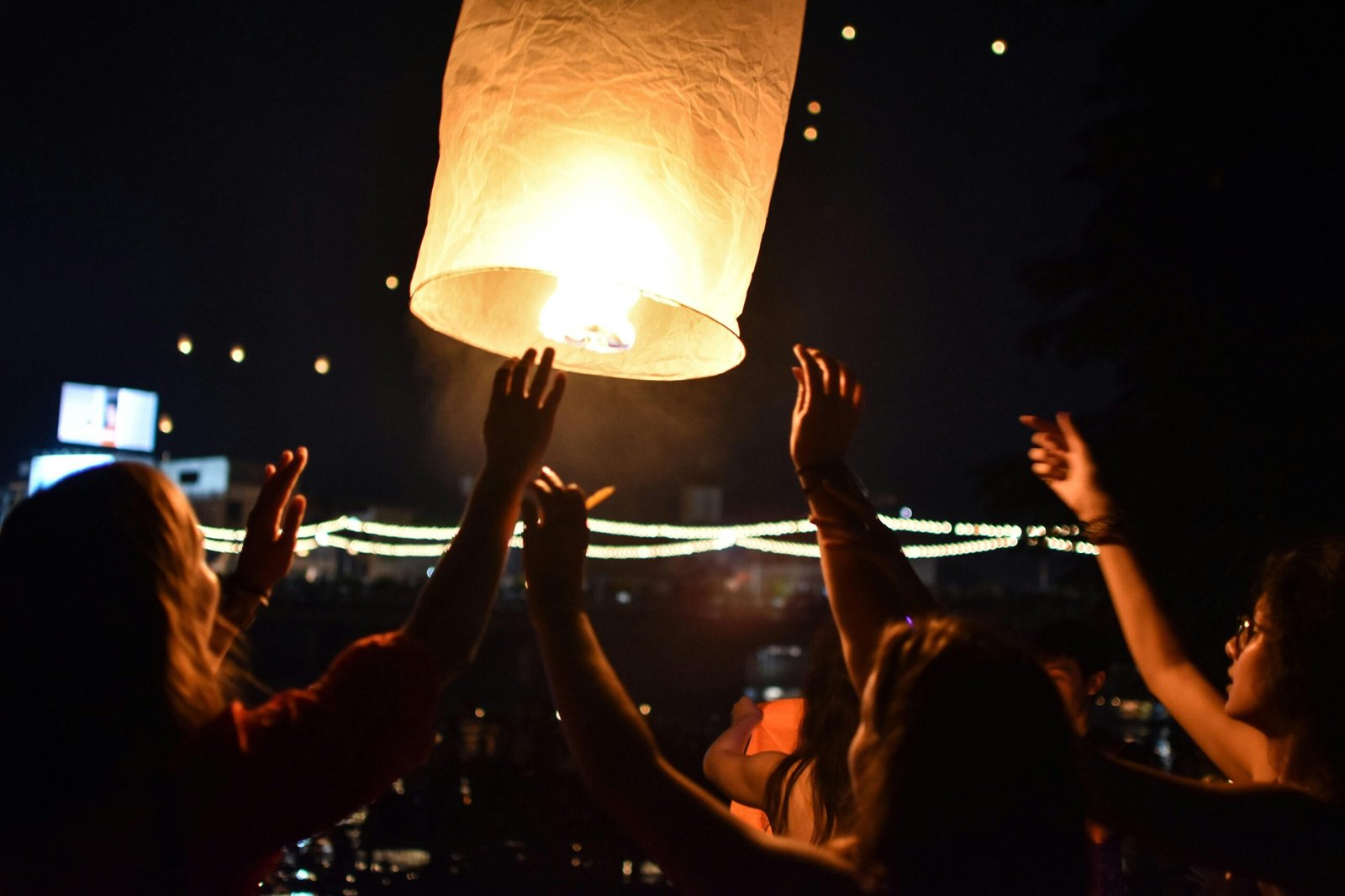
Perhaps the most Instagram-famous celebration in Thailand travel culture, Yi Peng features the release of thousands of lanterns into the sky, creating a breathtaking spectacle.
Releasing lanterns is regulated due to air safety laws. Attend licensed release events, not informal street releases.
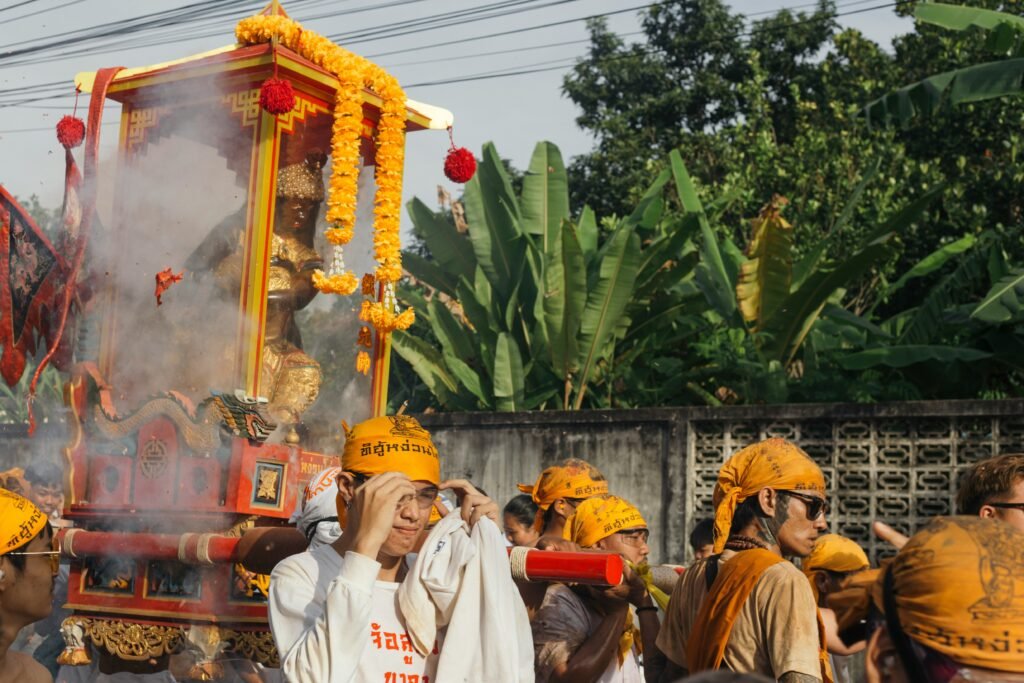
When: October
Where: Phuket
This festival is known for intense spiritual rituals and performances, rooted in Chinese-Thai traditions. Participants believe acts of self-mortification help purify the community.
This event may be overwhelming for some travelers due to graphic body-piercing rituals — but it’s a powerful insight into faith and devotion.
No festival in Thailand is complete without Thai food. Each celebration comes with regional or symbolic dishes.
| Festival | Signature Foods | Meaning |
|---|---|---|
| Songkran | Pad Thai, Sausage skewers, Iced desserts | Refreshment in the heat |
| Loy Krathong | Coconut sweets, Banana snacks | Linked to the banana-leaf floats |
| Vegetarian Festival | Mock-meat dishes, Fried tofu, Dumplings | Purification & non-harm |
| Chinese New Year | Noodles, Steamed fish, Sweet rice cakes | Prosperity & long life |
Travel Thailand with an open palate — local markets during festivals are some of the best places to taste authentic regional cuisine.
During festivals, food stalls offer region-specific dishes and seasonal snacks.
If you’d like to explore more local flavors before you travel, you can read our guide to Thai food to understand what to try and how to order with confidence.
Planning your trip around festivals in Thailand requires attention to weather, destinations, transportation, and local customs. The guide below provides a clear starting point for organizing your travel schedule efficiently.
If your travel dates are flexible, plan based on the festival you value most (reflection, culture, party energy, or photography opportunities).
Festivals range from playful to deeply sacred, so clothing choices should match the setting.
Tip:
Pack one modest outfit that covers shoulders and knees — useful for any temple ceremony.
Thailand’s transportation system is flexible, but festival periods can create high demand.
Common Mistake:
Travelers often underestimate travel times in the hot season. Stay hydrated and avoid long outdoor activities midday.
Festival travel can be as affordable or as premium as you choose.
Money Tip:
Many festival vendors accept cash only, so withdraw ahead of time to avoid ATM fees.
Festivals are visually stunning — but be mindful.
Experiencing Thailand’s festivals is one of the most memorable ways to explore the country. These celebrations are not just visually stunning — they reveal the heart of Thai culture: warmth, community, spirituality, and joy. Whether you plan your Thailand travel around Songkran’s lively energy or Loy Krathong’s peaceful beauty, each festival offers a meaningful window into the traditions that make Thailand unique.
Travel with curiosity, respect, and an open mind — and you’ll leave with more than memories. You’ll leave with connection.