Physical Address
304 North Cardinal St.
Dorchester Center, MA 02124
Physical Address
304 North Cardinal St.
Dorchester Center, MA 02124

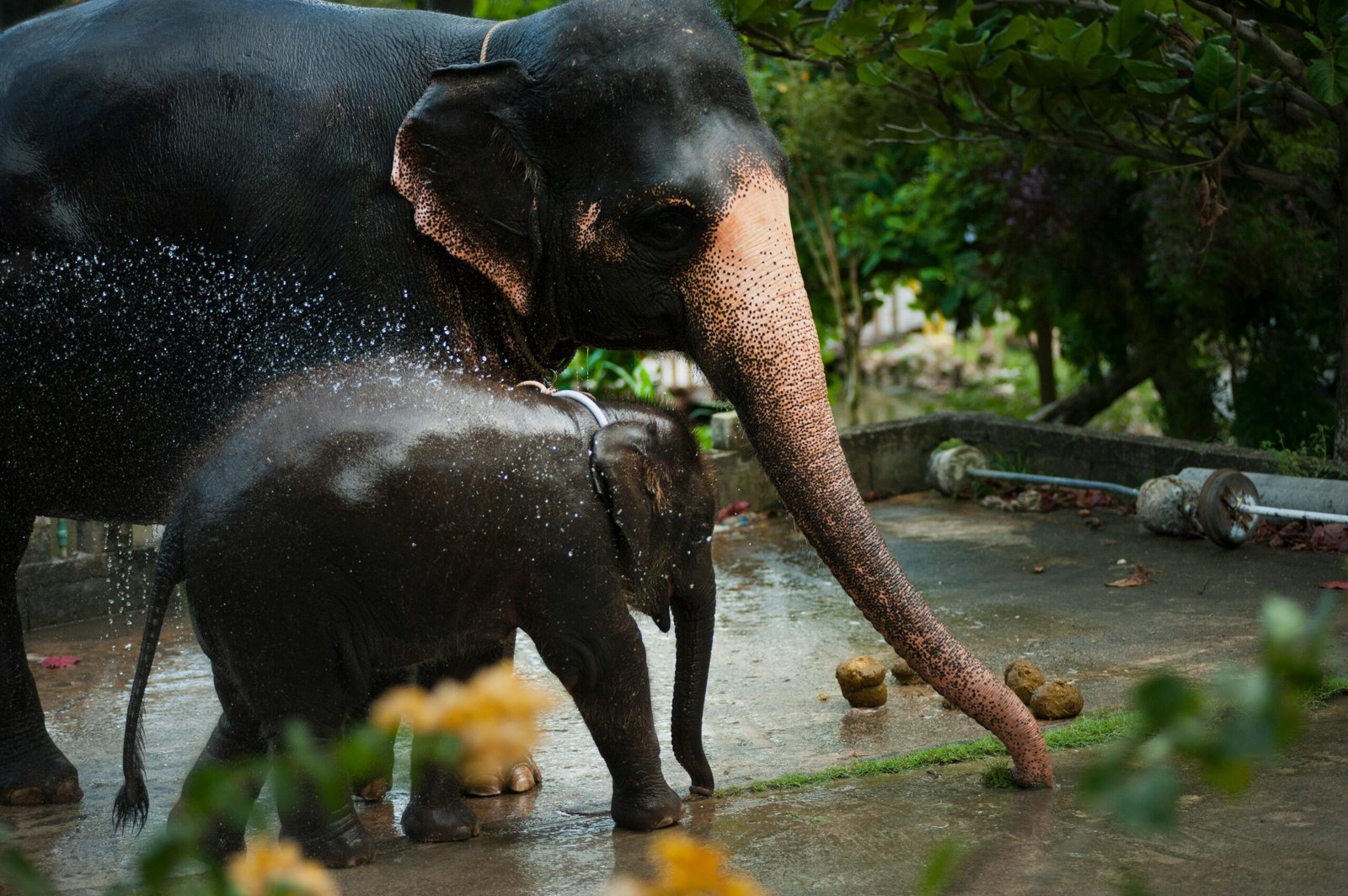
Elephants are among the most iconic symbols of Thailand, woven into the nation’s mythology, royal symbolism, Buddhist tradition, and everyday identity. Their presence in art, architecture, national emblems, and folklore reflects a relationship that extends centuries into the past. For many travelers, a close encounter with elephants becomes one of the most memorable experiences during Thailand travel — something deeply emotional, grounded in respect and awe.
Yet, the reality behind elephant tourism is complex. With high traveler demand, especially from those eager to travel Thailand for nature and cultural immersion, not all elephant encounters are ethical. Some establishments rely on shows, tricks, or riding, practices that are now widely recognized as damaging to elephant welfare.
This guide aims to help you understand where in Thailand you can visit elephants ethically — and more importantly, how to choose experiences that contribute to conservation rather than exploitation. You will also learn how ethical sanctuaries operate, how to prepare for your visit, and the deeper cultural meaning of elephants in Thailand.
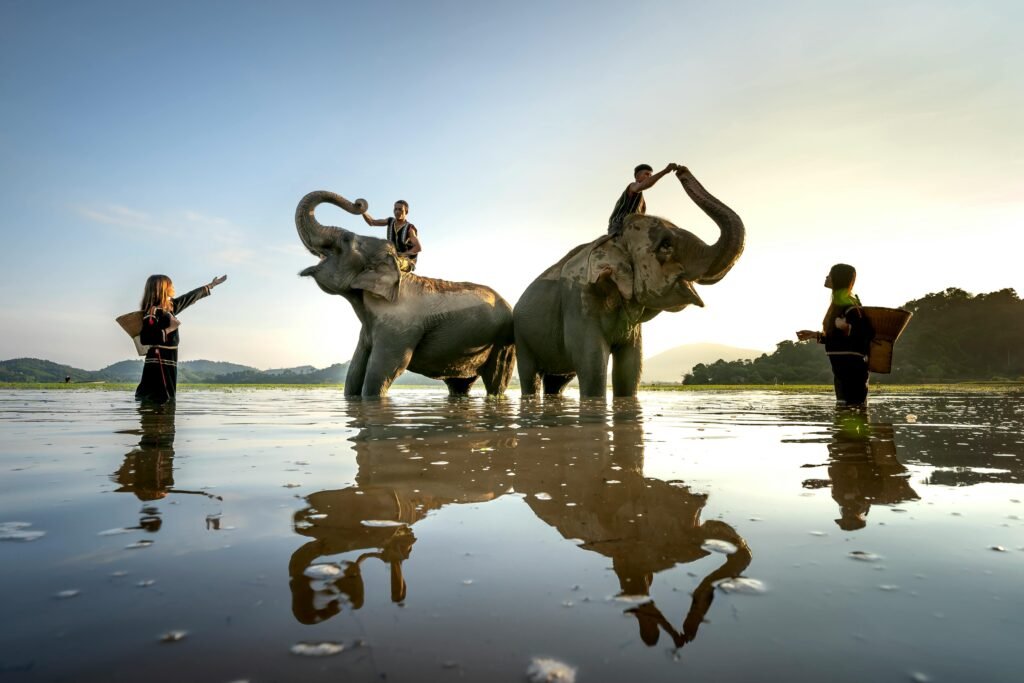
For centuries, elephants have symbolized strength, protection, wisdom, and divine blessing in Thai culture. In Buddhist narratives, elephants are seen as noble creatures with calm spirits and exceptional memory. In royal ceremonies, the white elephant (ช้างเผือก-Chang phuek) has historically represented sacred fortune and legitimacy.
In the past, elephants worked alongside people in forestry and agriculture, particularly in logging, transporting timber through dense forests. When logging was banned in 1989 due to environmental concerns, countless elephants and mahouts (their lifelong caretakers) were left without sustainable work. This shift led to the rapid growth of elephant tourism — sometimes ethical, often not.
Ethical tourism, when done responsibly, can help ensure their welfare and preserve their future. But the key word is ethical — and that depends on where you choose to visit.
Before exploring where to go, it is crucial to learn what to look for. Before choosing where to see elephants, it’s important to understand what makes a place ethical. Look for sanctuaries that allow elephants to roam, socialize, and live naturally. Avoid places offering rides, shows, or forced close interactions. Your choice directly supports their well-being and long-term conservation, ensuring tourism helps rather than harms.
| Ethical Practices | Why They Matter |
|---|---|
| No elephant riding or performance shows | Riding requires painful training; performances cause stress. |
| Elephants roam freely, not chained long-term | Elephants are herd animals with complex emotional lives. |
| Human interaction is minimal and guided | Ensures safety and respects natural behavior. |
| Focus on rescue, rehabilitation, or retirement | Shows purpose beyond tourism. |
| Transparent, small group tours | Reduces stress on elephants and improves guest learning. |
Traveler’s Note:
If the experience appears to be for entertainment rather than respect, it’s likely not ethical. Ethical sanctuaries focus on the elephants’ natural behavior, not performances. If you see riding, painting, tricks, or constant touching encouraged — consider choosing another place.
Elephants live in several regions across Thailand, but the most reputable and conservation-focused sanctuaries are concentrated in the north and selected protected areas in the west and south. Each region offers a slightly different atmosphere and learning experience, shaped by its environment, local communities, and the history of human–elephant relationships.
In the northern mountains, sanctuaries often emphasize rehabilitation and long-term care, allowing elephants to roam forest valleys with minimal tourist interference. These are well-suited for travelers who want quiet observation and a deeper understanding of conservation work.
In the western forest reserves, you’ll find sanctuaries operating close to national parks, where elephants live in semi-wild conditions. This provides opportunities to see how conservation and local ecology connect, especially in regions working to reintroduce elephants to natural habitats.
Meanwhile, southern Thailand offers more tropical landscapes, where elephant care is balanced with educational tourism. Here, visitors can learn how communities shift from trekking and entertainment toward ethical wildlife practices.
Below is an in-depth guide to each region, what to expect from the experience, and examples of well-regarded, ethically focused sanctuaries to consider.
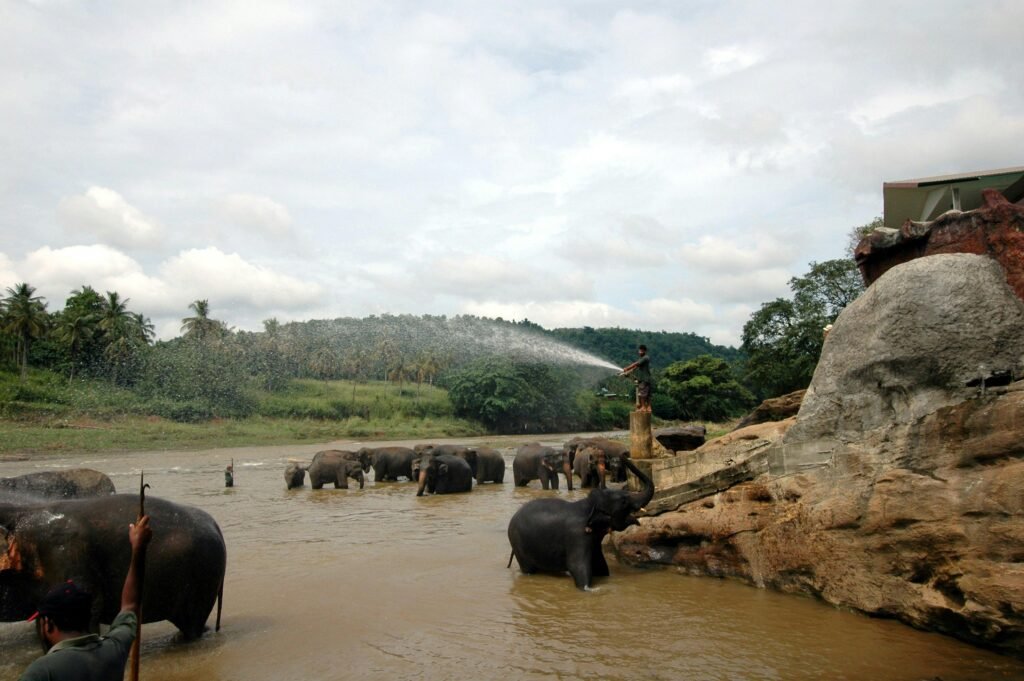
Nestled among forested mountains and river valleys, Chiang Mai has become one of the most respected global centers for elephant conservation. The region attracts international volunteers, conservation biologists, and travelers seeking meaningful wildlife encounters.
| Sanctuary | Highlights | Experience Style |
|---|---|---|
| Elephant Nature Park | One of Thailand’s most influential sanctuaries; rescues injured & abused elephants. | Observation-based; no riding. |
| Elephant Jungle Sanctuary | Community-supported conservation projects. | Feeding, walking, educational talks. |
| BEES Elephant Sanctuary (Baan Elephant Elephant Sanctuary) | Emphasizes non-interference and elephant autonomy. | Quiet observation only. |
Travelers seeking slow travel, nature immersion, and cultural learning. This type of experience suits those who value observing wildlife respectfully rather than interacting closely. It’s perfect for visitors who appreciate quiet moments, local stories, and understanding the relationship between elephants, communities, and the natural environment.
Further north of Chiang Mai, Chiang Rai offers a more serene atmosphere with fewer tourists and quieter landscapes. The region is known for misty mountains, slow-paced local villages, and a closer connection to nature. Because tourism here is less commercial, elephant sanctuaries often focus on non-intrusive, observational experiences, allowing visitors to witness elephants living with minimal human influence.
The environment here tends to be calmer, making it ideal for travelers who prefer gentle, reflective travel rather than structured tours. Instead of scheduled interactions, elephants are free to wander forested land, socialize with their herd, and forage naturally.
Elephant Valley Thailand
A peaceful sanctuary dedicated to giving elephants a life as close to wild conditions as possible. Unlike many tourist programs, visitors do not touch, feed, ride, or bathe the elephants. Instead, you observe from respectful distances and learn about the individual personalities, histories, and social habits of each elephant.
Travelers who value wildlife observation more than hands-on interaction.
Perfect for those who enjoy quiet learning, nature walks, and letting the animals set the pace of the experience rather than humans.
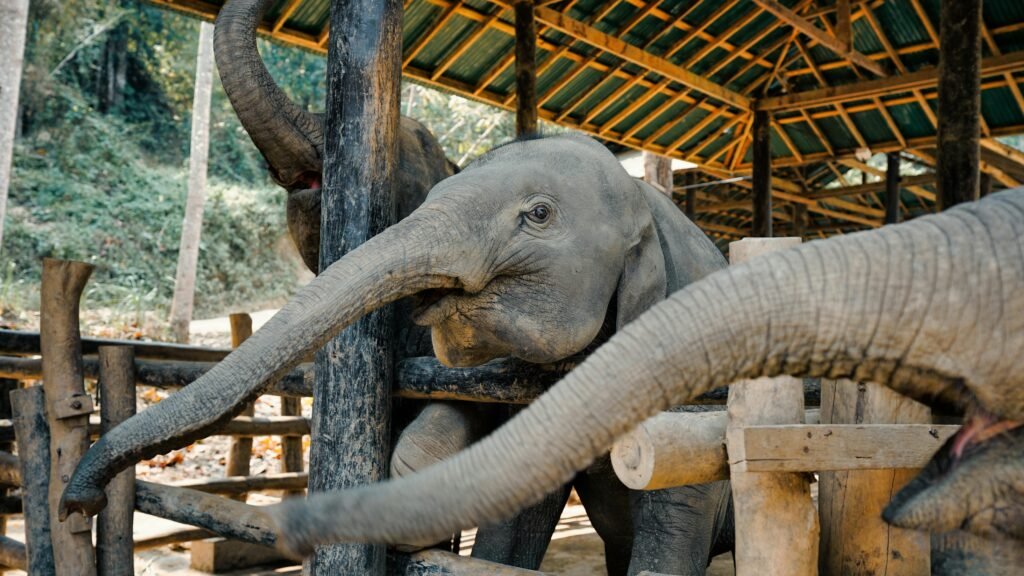
Located just a few hours west of Bangkok, Kanchanaburi is well-known for its picturesque rivers, waterfalls, and national parks, as well as historical landmarks like the Bridge over the River Kwai. In recent years, the region has also become a hub for sanctuaries transitioning away from trekking and performances toward ethical rehabilitation-focused care.
Many elephant centers here work on reintroducing elephants to natural foraging habits and restoring physical strength after years of labor in the tourism or logging industry. Visits are usually educational and include walking trails, observing feeding patterns, and understanding how conservation ties into local communities.
Elephant Haven Thailand
A former riding camp that transitioned to a chain-free, no-riding, no-shows approach after ensuring better welfare standards. The elephants now move freely through forest areas, and visitors follow guides who explain their backgrounds and behaviors from a respectful distance.
Travelers who want an ethical elephant experience without needing to fly north.
Great for weekend trips from Bangkok or those already exploring western national parks.
As one of Thailand’s most visited destinations, Phuket has a wide range of elephant attractions—including many that still offer riding, shows, or photo-focused interactions. However, the region also has some of the strongest leaders in the ethical elephant care movement, working to educate travelers and shift expectations.
In ethical sanctuaries here, elephants roam protected forest land, choose when to interact, and are not required to perform or allow handling. Visitors learn about their routines, diets, personalities, and recovery journeys.
| Sanctuary | Recognition |
|---|---|
| Phuket Elephant Sanctuary | Partnered with Elephant Nature Park; internationally respected for high-welfare standards and “observation only” programs. |
| Elephant Retirement Park Phuket | Smaller-scale sanctuary focusing on enrichment, rest, and natural foraging. Good for travelers seeking a more intimate learning experience. |
Travelers who want to balance beach relaxation with a meaningful conservation-focused activity.
A strong option for families and first-time elephant visitors.
Koh Samui’s elephant sanctuaries are newer and represent an ongoing shift away from tourism models built around rides and performances. While still developing, ethical sanctuaries here are increasingly adopting transparent, high-welfare practices and giving elephants more space and autonomy.
Because the island is smaller than Phuket, programs here tend to be more intimate, with fewer visitors per day and more emphasis on understanding individual elephant stories and backgrounds.
Samui Elephant Sanctuary
Known for its honest, no-riding, no-show approach and clear welfare standards. Modeled after the Phuket Elephant Sanctuary, it focuses on creating a calm environment where elephants can walk, forage, and socialize freely.
Travelers staying on the islands who do not plan to travel inland, but still want to make thoughtful, responsible choices when seeing elephants.
A typical day in an ethical sanctuary is not about entertainment; it is about learning.
Tip for Photographs:
Focus on the story, not the pose.
The most meaningful images are often taken from a respectful distance.
To understand pricing better, it helps to review how individual sanctuaries structure their programs. For example, some offer full-day educational visits, while others include forest walks or guided observation sessions. These variations affect cost because they require different land space, staff training, and enrichment resources for the elephants.
You can explore sample program details here:
When browsing these programs, pay attention not only to price but also to what the elephants are allowed to do during the visit. Ethical experiences prioritize freedom of movement, natural behavior, and minimal human influence, not entertainment or forced interaction.
| Season | Months | Experience |
|---|---|---|
| Cool | Nov–Feb | Ideal weather; book ahead. |
| Hot | Mar–May | More mud bathing and river activity. |
| Rainy | Jun–Oct | Lush forests; occasional trekking limitations. |
Seeing elephants in Thailand can be a profound experience—one that lingers long after the journey ends. These animals are not simply icons of heritage; they are living beings with emotional depth, memory, and family bonds. To stand in a quiet valley or forest glade and watch elephants move, breathe, play, and communicate is to witness something ancient and deeply alive.
When travelers choose ethical elephant encounters, they support not only animal welfare but also sustainable tourism, cultural respect, and ecological preservation. And in doing so, they help ensure that future generations — both human and elephant — can continue to share the landscapes of Thailand with dignity and harmony.